

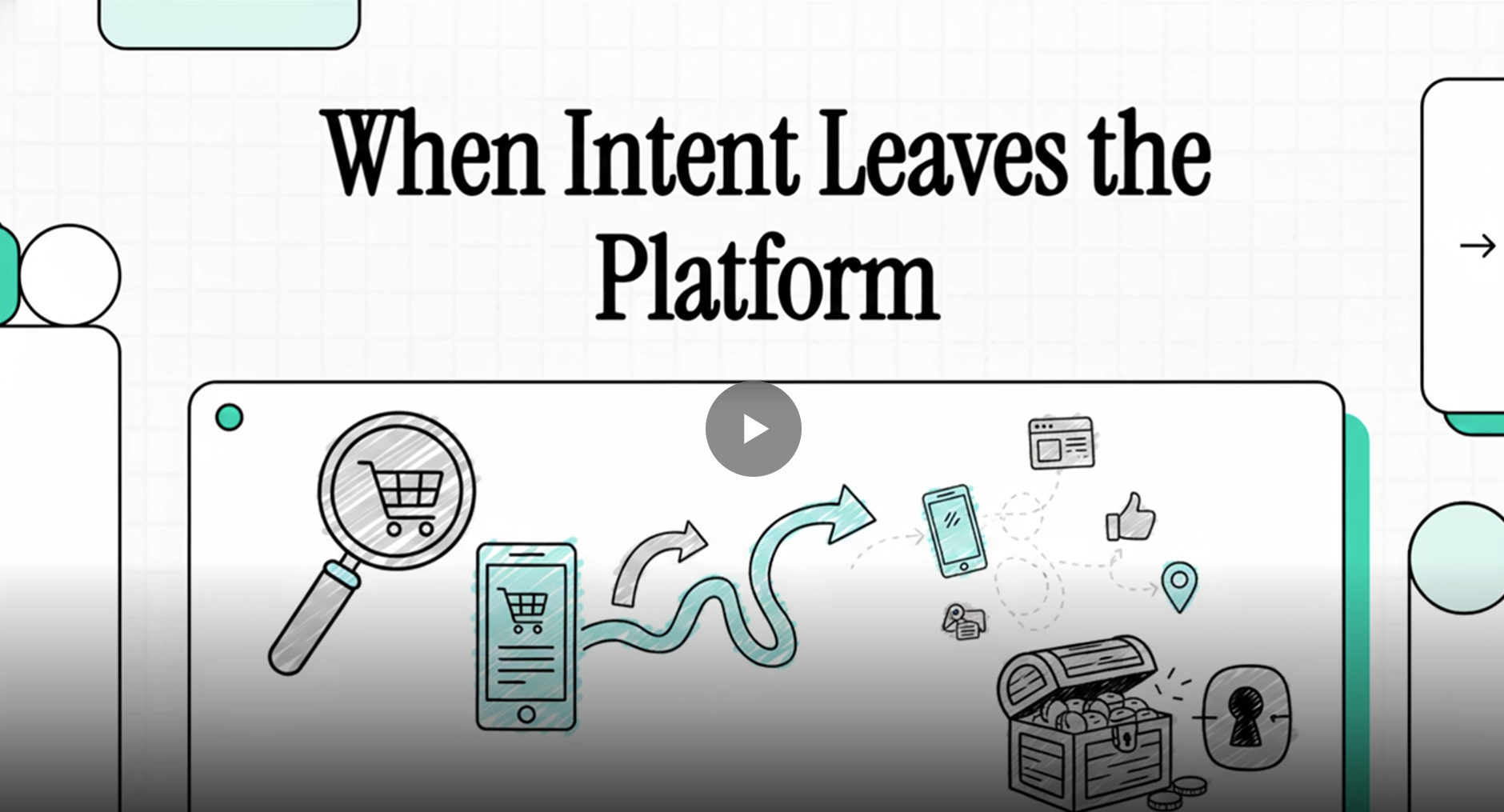
Retail Media’s Next Frontier: When Intent Leaves the Platform
Retail media has become one of the defining growth engines of modern marketing. What began as an extension of shopper marketing—sponsored listings, on-site placements, and closed-loop attribution—has evolved into a sophisticated ecosystem powered by first-party data (1PD), AI, and increasingly advanced measurement frameworks.
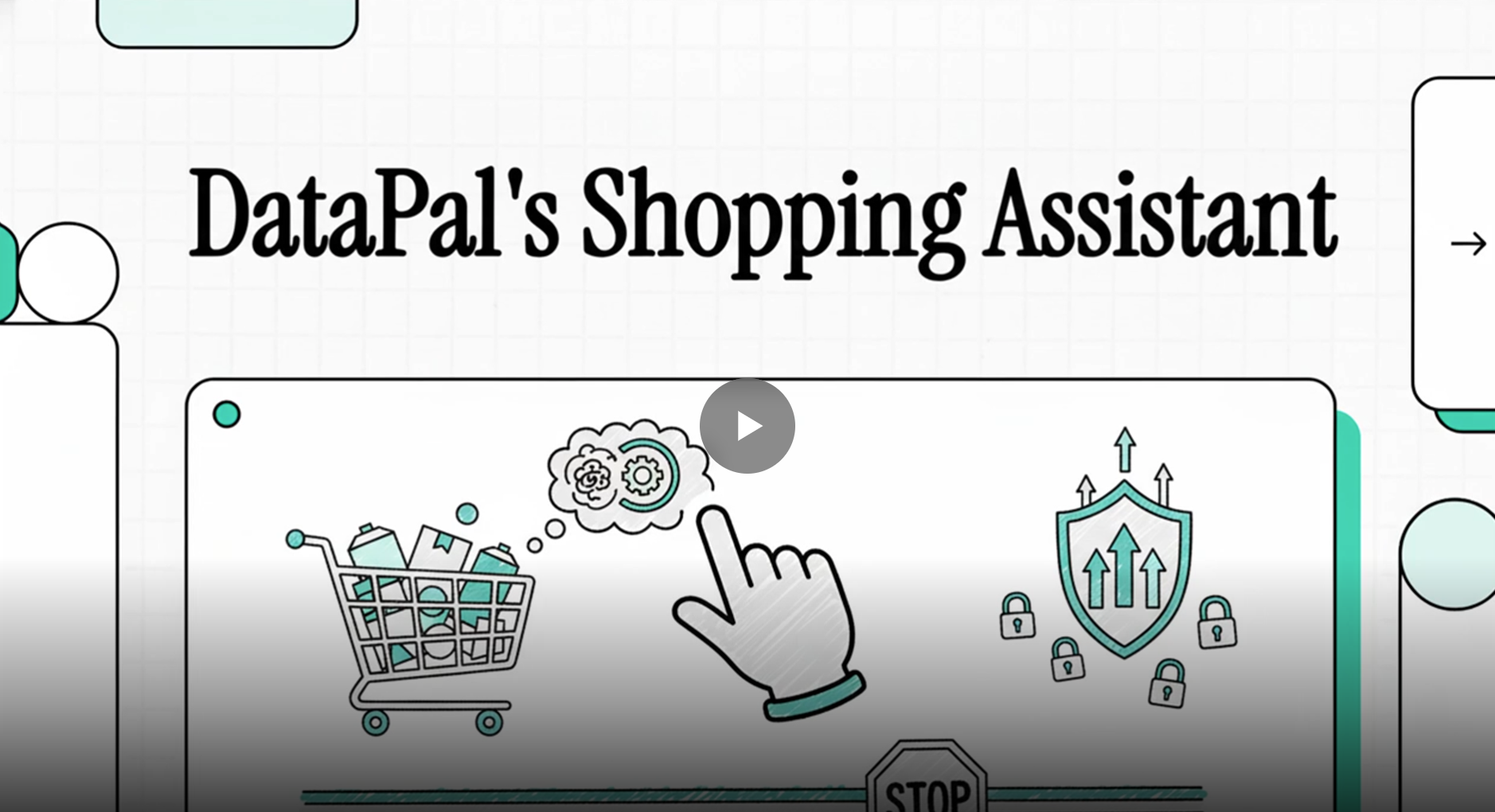
Two Modes, One Vision: How DataPal's Shopping Assistant Puts You in Control
Customer Agency in Action isn’t a better chatbot. It’s not a smarter recommendation engine. It’s something more fundamental: Customers with their own agents, operating on their own data, fulfilling their own intentions. Two modes. One principle: You are in control. Not the retailer. Not the platform. Not the algorithm.
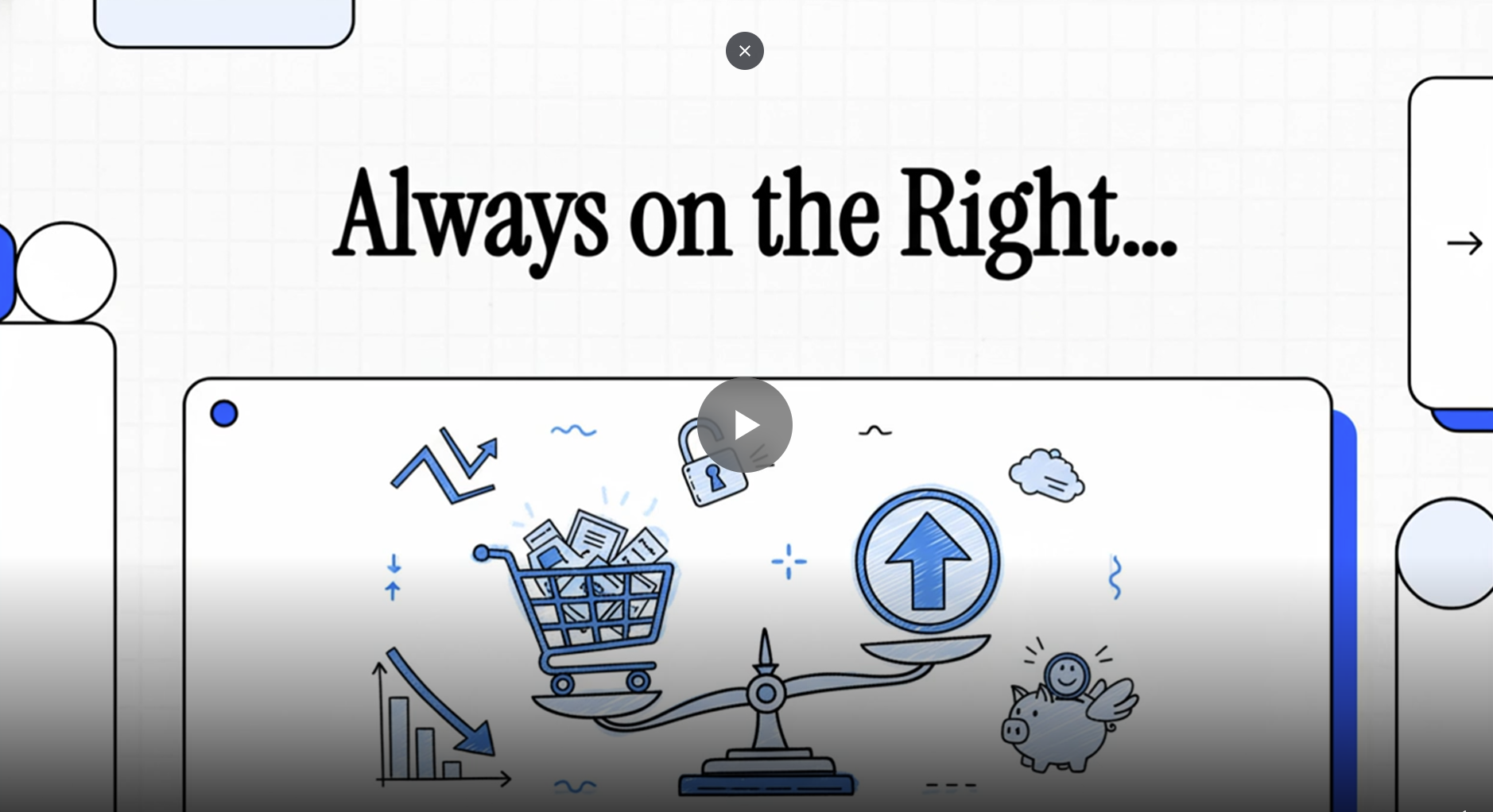
Always on the Right…
For years, we’ve talked about the idea of being on the “right deal.”. The best energy tariff. The right insurance. The optimal subscription mix. And we’ve built tools to help—search, comparison sites, switching services. But all of them share the same flaw: They are one-off decisions in a constantly changing world.
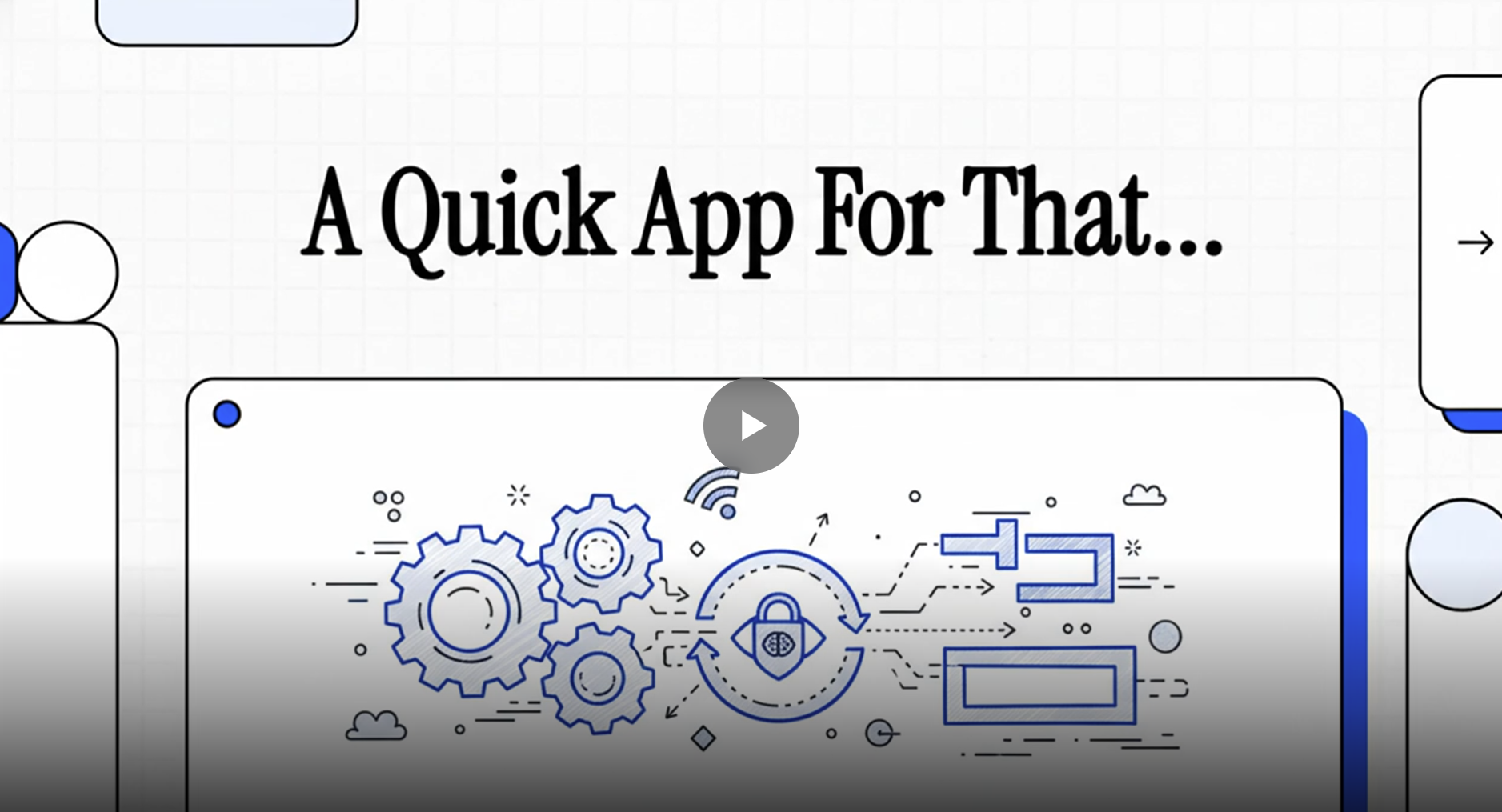
We can build a quick App for that!
Building apps is easy. Right? We can build a quick app for that! However managing user data safely is not. Poor data handling creates security, privacy and governance risks that slow teams down and erode trust. New standards and personal data platforms now allow developers to plug in secure, consent-driven user data services — accelerating development, improving UX, and putting individuals firmly in control of their data.

Websites, Apps and Agents Should Come to My Data rather than My Data Going to them
For 25 years we’ve accepted a one-way model: visit a site, sign up, give away data, live inside their silo. DataPal argues that this is no longer the only way—or the best way. A new paradigm is emerging where individuals hold their own data, control who accesses it, and benefit from richer, safer and more seamless digital experiences. Using simple examples like Travel Log, we show how interoperable, user-controlled data unlocks better apps, lower compliance burdens and entirely new possibilities.