

Our Blog
Thought Leadership
Defining the intelligence advantage: Expert perspectives on the intersection of AI Agents, Smart Data, and digital ethics.
Search for specific articles, e.g. ‘AI Agents’
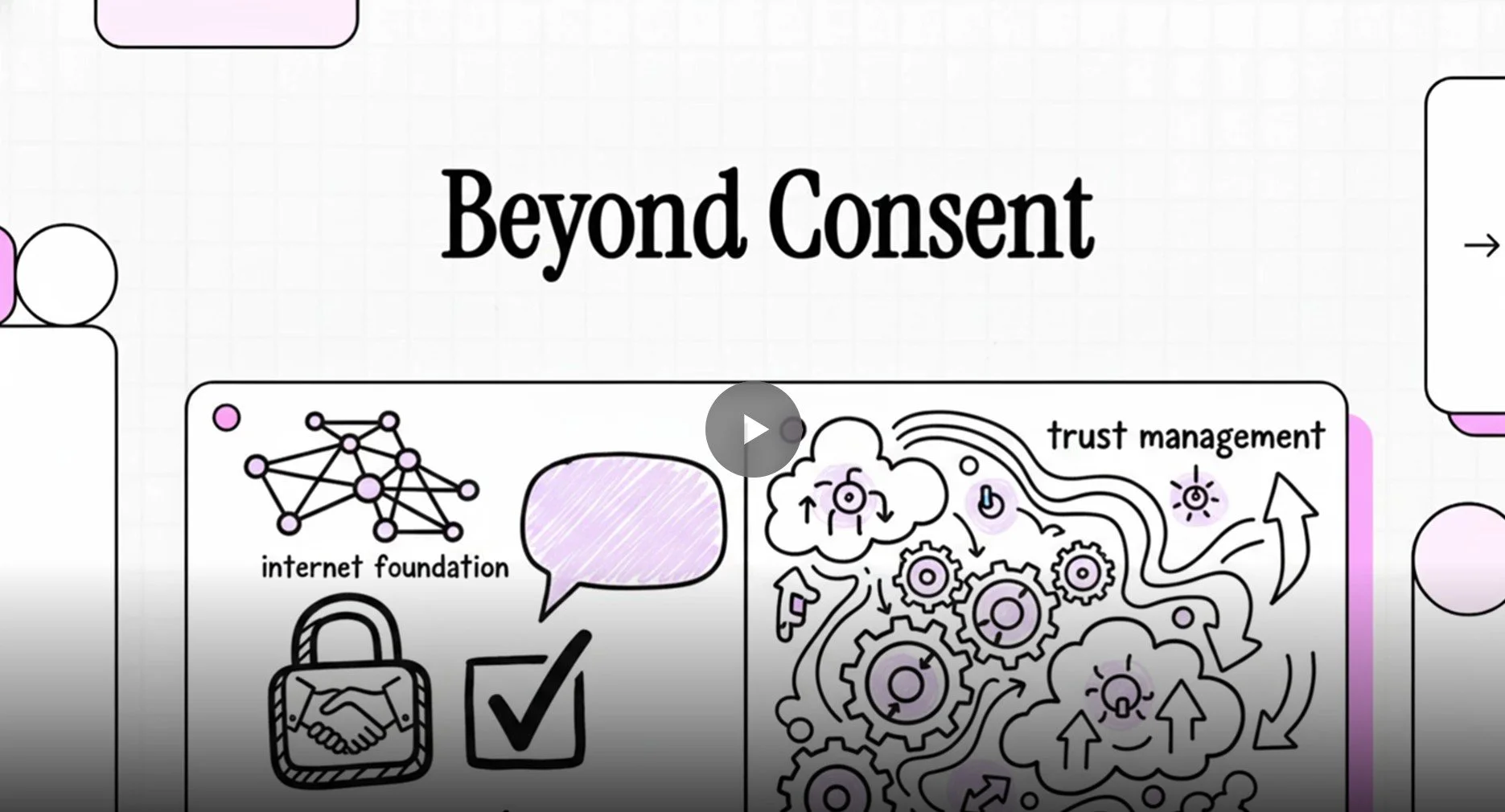
Beyond Consent: Why Trust Management Platforms Are Emerging
An entire global industry emerged around answering a single question: "May I collect and use your data?"
Driven by ePrivacy and GDPR and similar legislation around the world, organisations adopted cookie banners and consent tools to demonstrate compliance and give individuals greater control over how their personal information is collected and processed.

Tell Your Story Once…
There is no “tell them once” system and no “tell them once” database. There are data privacy issues with all this that would need to be handled, and it could only be done on a voluntary basis.
It should not be like that in a digital world. This is the one time where we are actually capable.
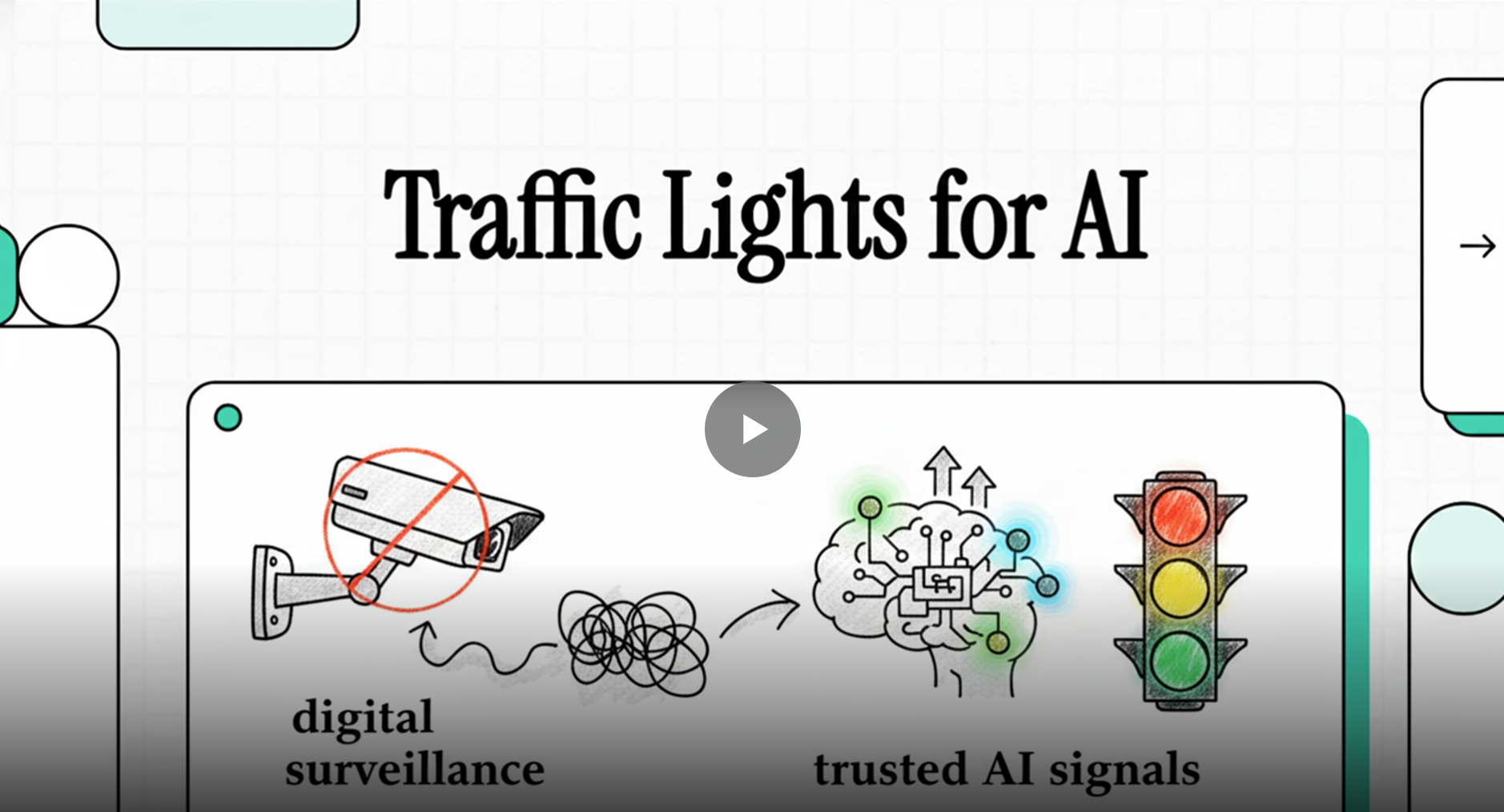
Traffic Lights for the Age of AI
In our previous article — “Article 88b: From Cookie Banner Theatre to Portable Privacy Signals” — we explored how the EU’s proposed Article 88b could mark the beginning of the end for endless cookie banners and fragmented consent experiences.
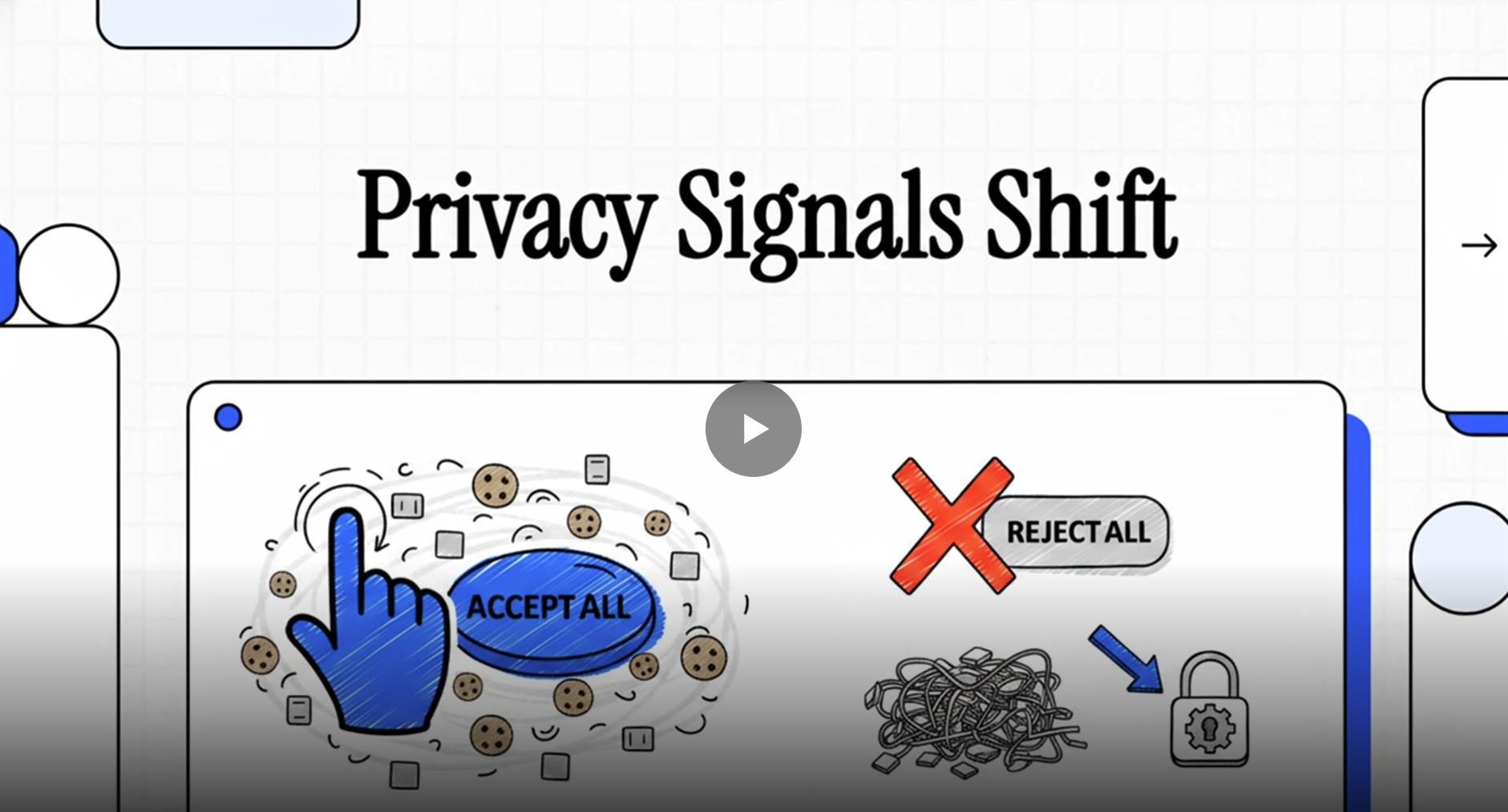
Article 88b: From Cookie Banner Theatre to Portable Privacy Signals
For years, the internet has trained people to click “Accept All.” Not because they truly understood or agreed to how their data would be used — but because endless cookie banners, consent pop-ups and fragmented privacy settings made meaningful choice almost impossible.
Imagine that Customers Had Their Own Relationship Management Tools
…In fact any relationship that has a digital component benefits from both parties having their own relationship management capabilities. As peers. Not the current model in which one party has the tooling and the power, and the other can only do as they are allowed. That’s clearly where we are headed with DataPal.
We can build a quick App for that!
Building apps is easy. Right? We can build a quick app for that! However managing user data safely is not. Poor data handling creates security, privacy and governance risks that slow teams down and erode trust. New standards and personal data platforms now allow developers to plug in secure, consent-driven user data services — accelerating development, improving UX, and putting individuals firmly in control of their data.

Websites, Apps and Agents Should Come to My Data rather than My Data Going to them
For 25 years we’ve accepted a one-way model: visit a site, sign up, give away data, live inside their silo. DataPal argues that this is no longer the only way—or the best way. A new paradigm is emerging where individuals hold their own data, control who accesses it, and benefit from richer, safer and more seamless digital experiences. Using simple examples like Travel Log, we show how interoperable, user-controlled data unlocks better apps, lower compliance burdens and entirely new possibilities.