

Our Blog
Thought Leadership
Defining the intelligence advantage: Expert perspectives on the intersection of AI Agents, Smart Data, and digital ethics.
Search for specific articles, e.g. ‘AI Agents’
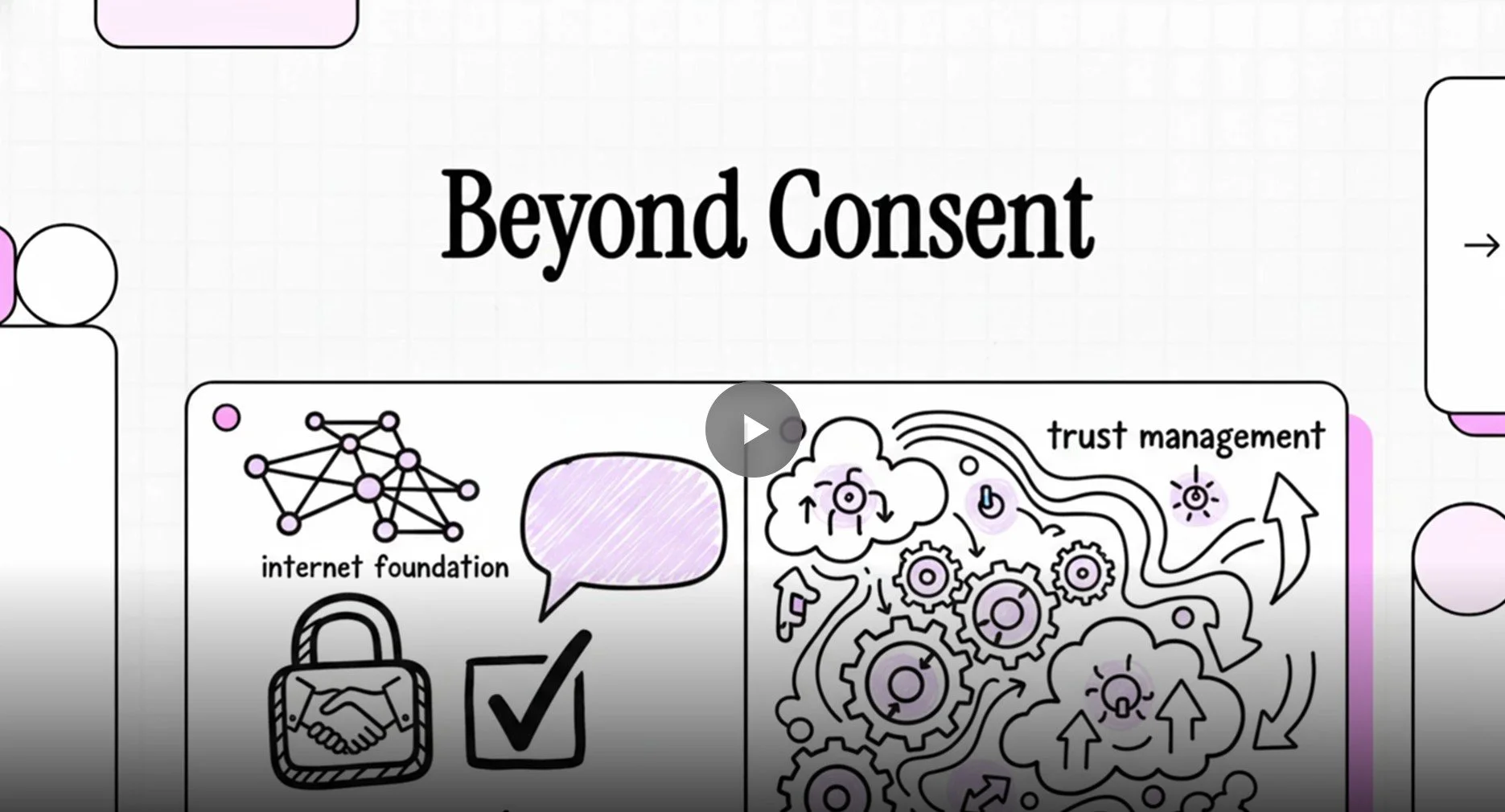
Beyond Consent: Why Trust Management Platforms Are Emerging
An entire global industry emerged around answering a single question: "May I collect and use your data?"
Driven by ePrivacy and GDPR and similar legislation around the world, organisations adopted cookie banners and consent tools to demonstrate compliance and give individuals greater control over how their personal information is collected and processed.
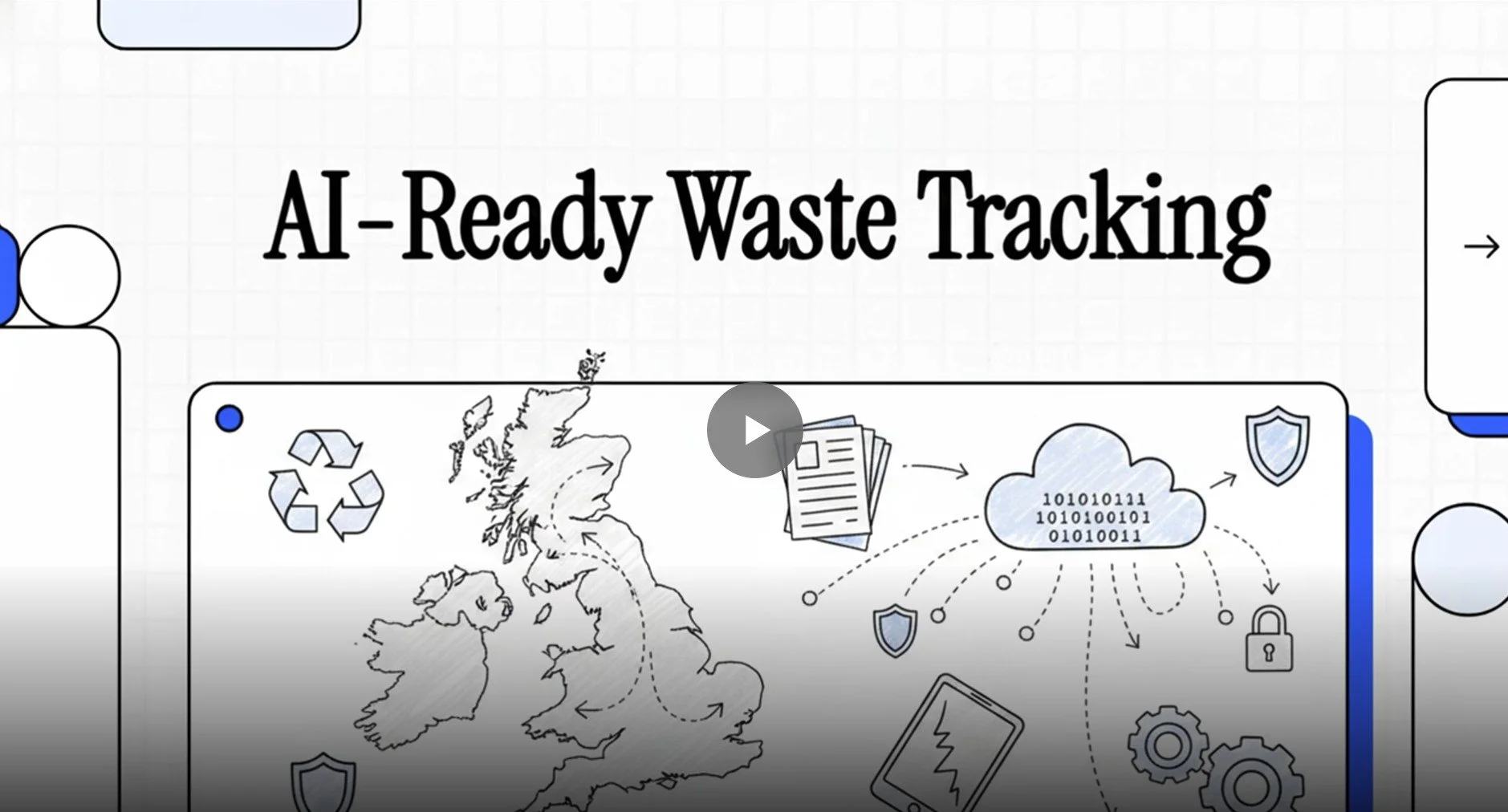
AI-Ready Waste Tracking with Trusted Data Relationships
Most people see the UK's new Digital Waste Tracking programme as an environmental initiative.
They're right. But they're also missing the bigger story.
Behind the headlines about replacing paper waste transfer notes with digital reporting lies something far more significant. The Government is quietly changing who it designs digital services for.
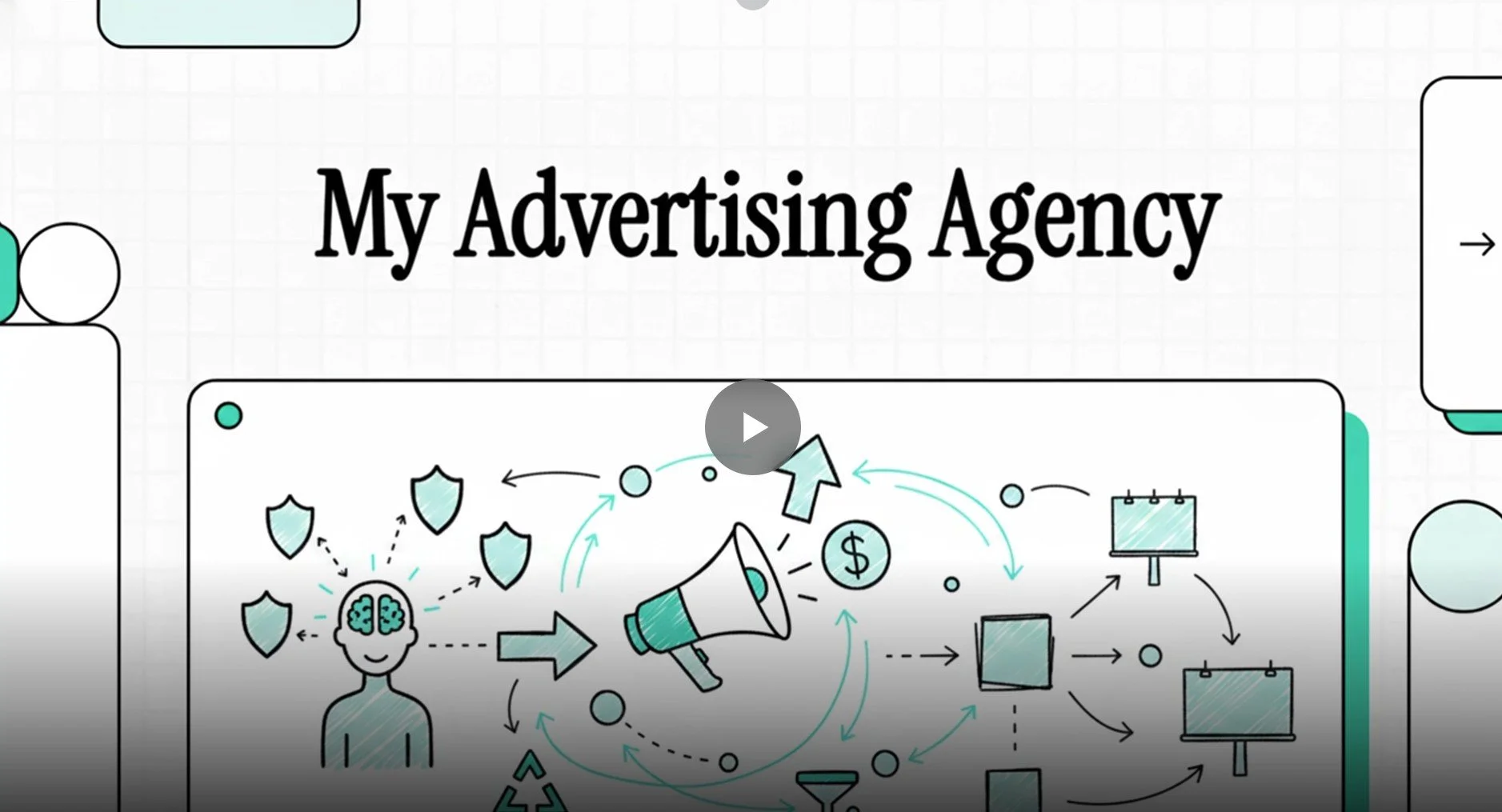
My Advertising Agency
What if the advertising agency that knew you best was the one that worked for you?
For decades, advertising has been built on a remarkably difficult challenge. How do you discover what millions of people might want to buy, often before they know it themselves?
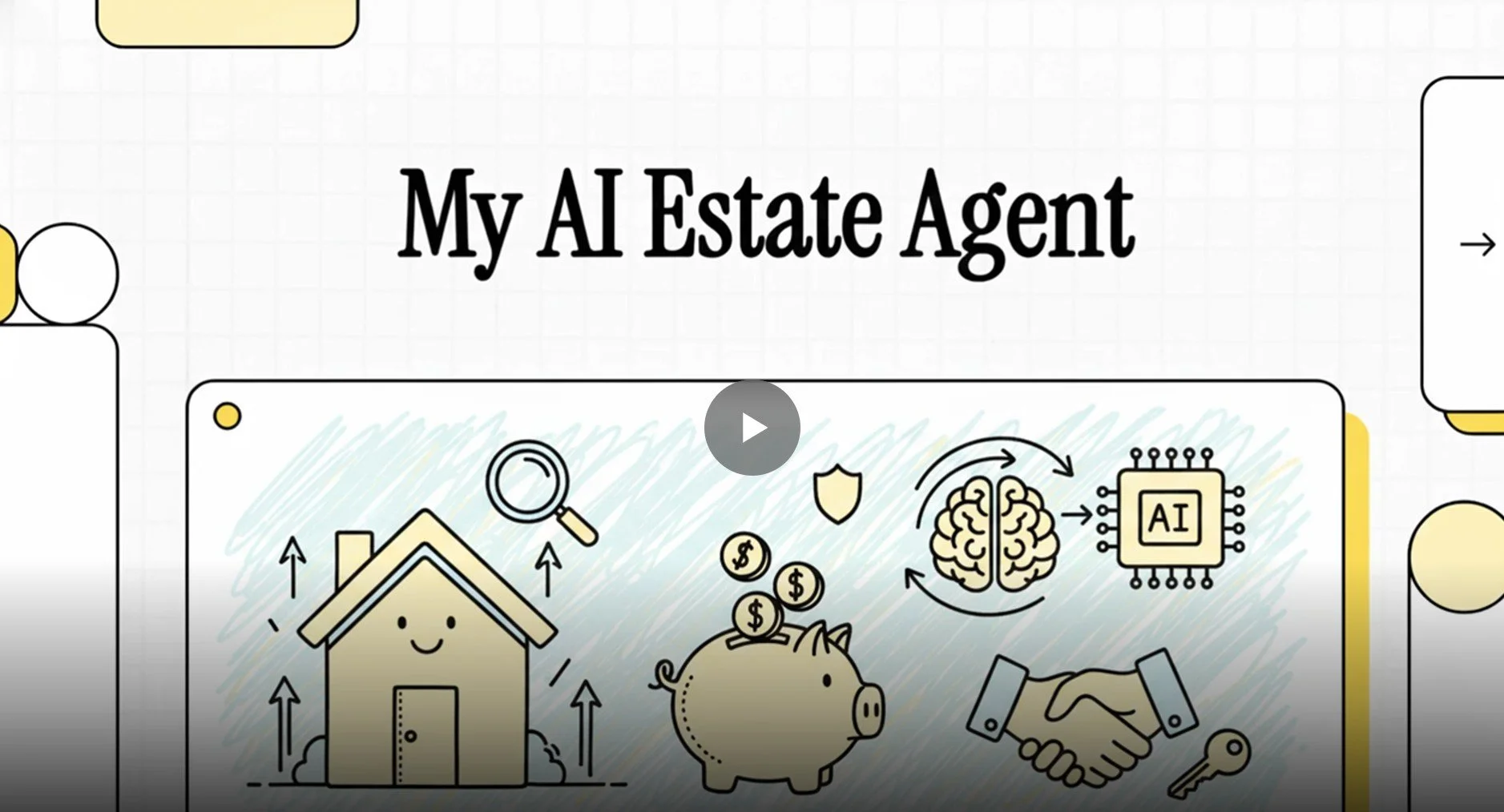
What if my Estate Agent was an AI Agent?
Soon we'll stop asking whether an organisation uses AI.
We'll start asking:
Whose AI is it?
Who pays it?
Who can instruct it?
Who can audit what it has done?
Whose interests does it ultimately represent?
Those questions will define trust in the Agentic Economy.

Tell Your Story Once…
There is no “tell them once” system and no “tell them once” database. There are data privacy issues with all this that would need to be handled, and it could only be done on a voluntary basis.
It should not be like that in a digital world. This is the one time where we are actually capable.
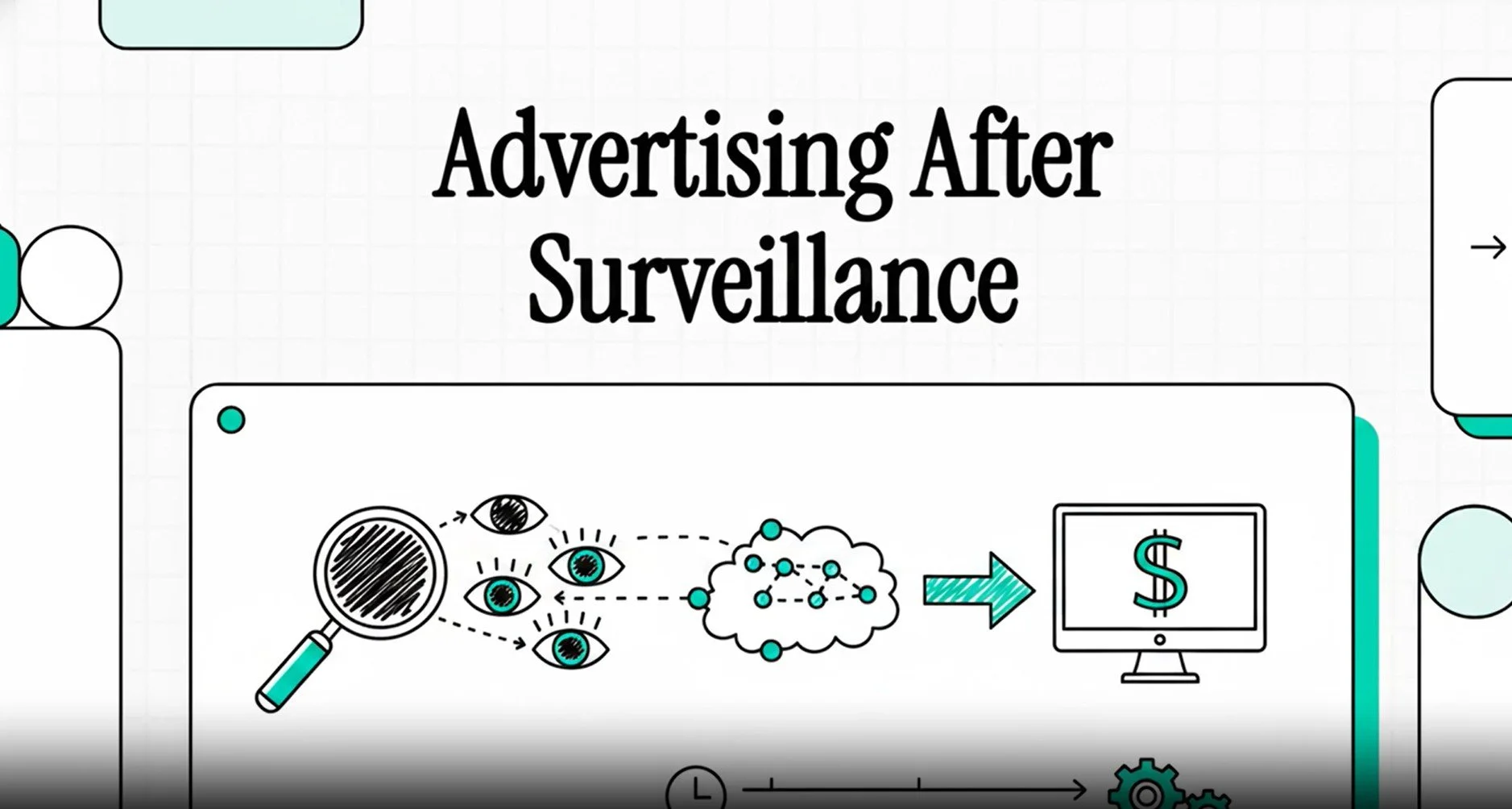
Advertising After Surveillance
For centuries, markets have depended on one simple principle: people who have something to offer must be able to find people who want it.
Economists have long described this as supply and demand. Whether supply comes first or demand comes first matters less than the balance between them. Healthy markets depend on both sides having agency.
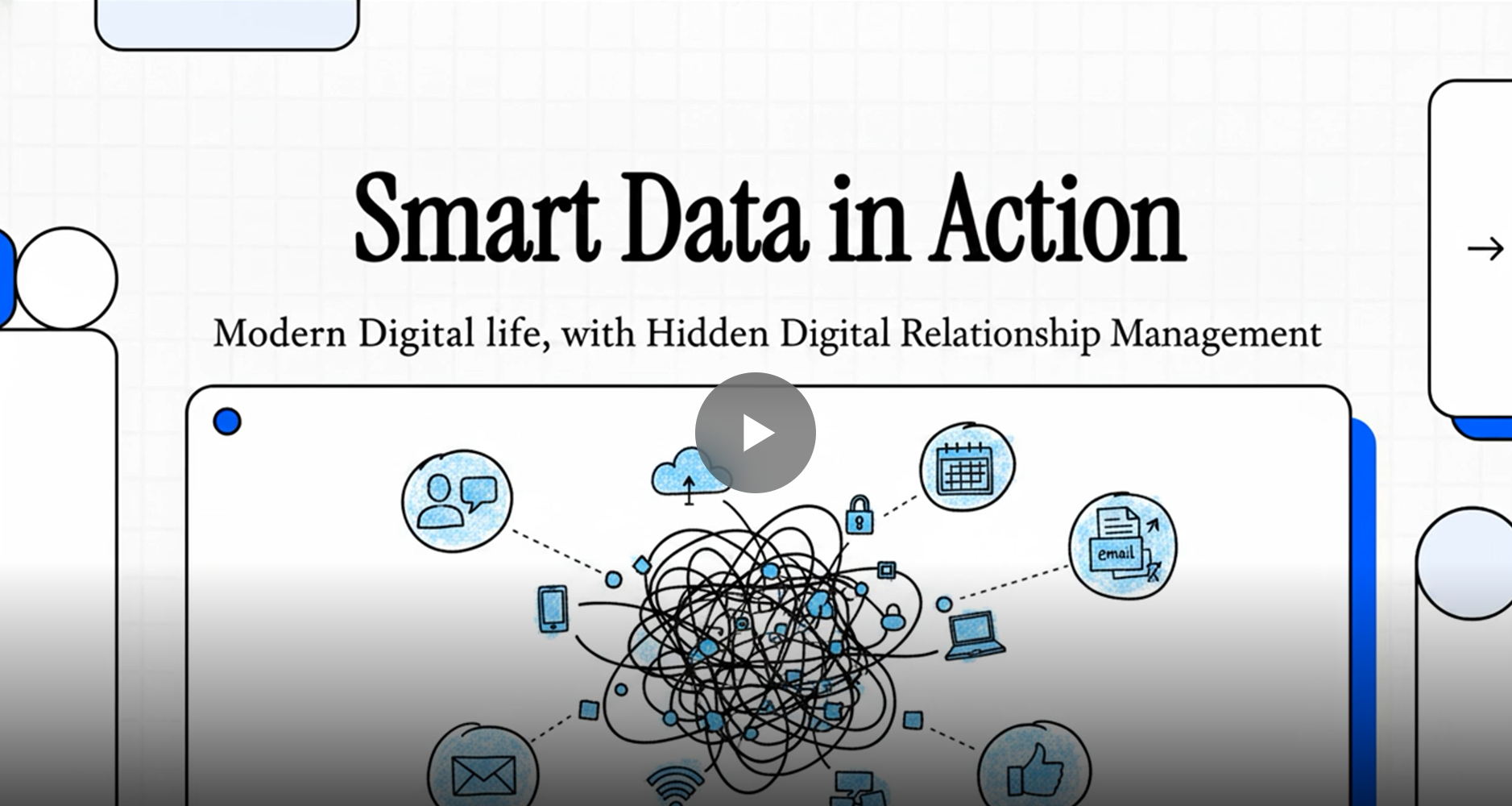
Smart Data in Action
Much of the discussion around Smart Data focuses on data portability, interoperability and the economic benefits of enabling data to move more freely between organisations. These are important objectives. Better use of data has the potential to unlock innovation, improve services, increase competition and drive economic growth. But for Smart Data to fulfil that promise, it must land meaningfully for millions of individuals, households and the organisations they interact with every day.
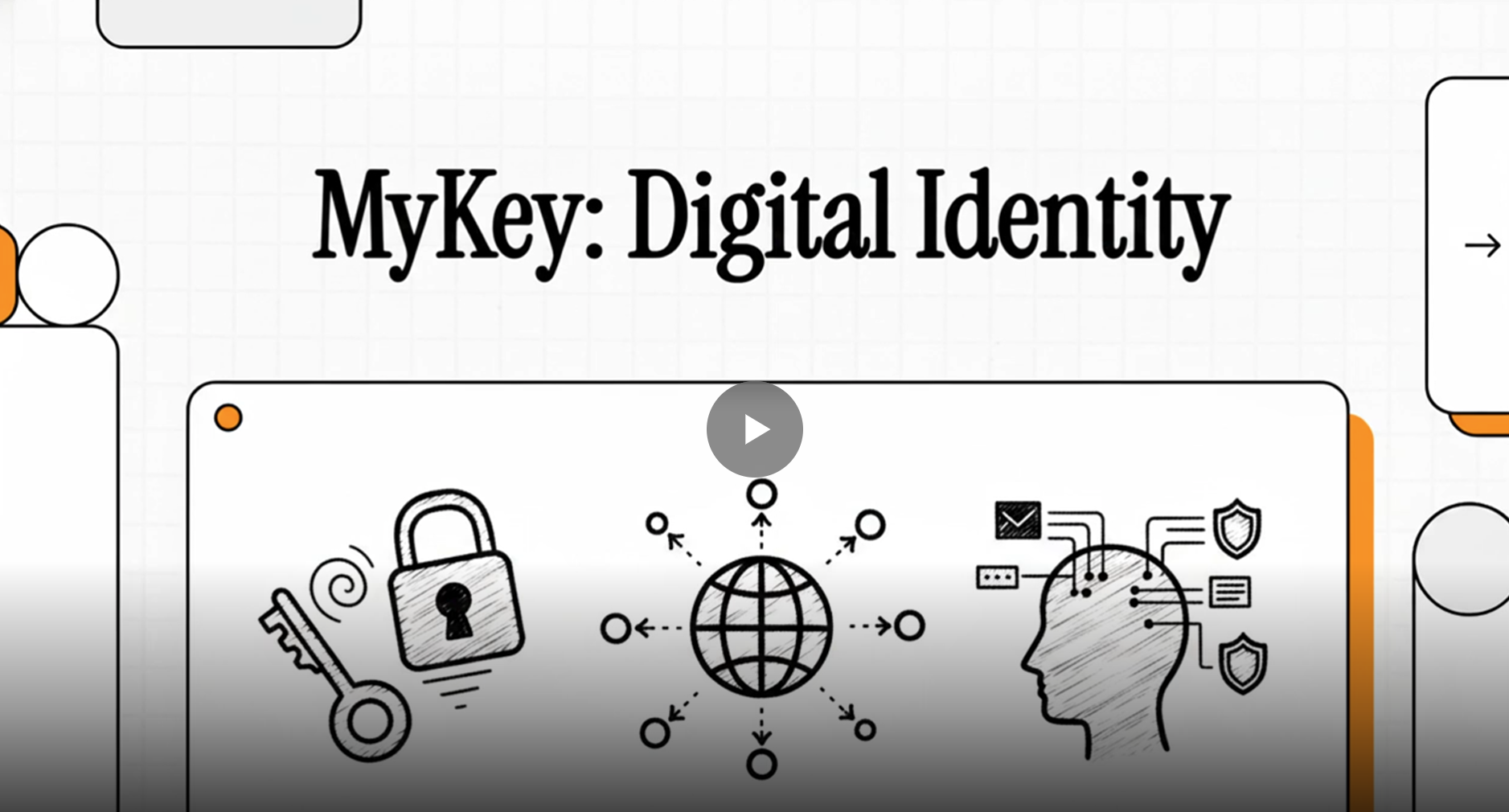
The Internet Needs New Infrastructure for the Age of AI Agents
The age of AI agents is forcing us to rethink how digital relationships work. Portable identity. Machine-readable agreements. Verifiable proof. These are no longer nice-to-haves. They are becoming foundational. Because before AI can safely act on our behalf, we first need infrastructure that works on ours.
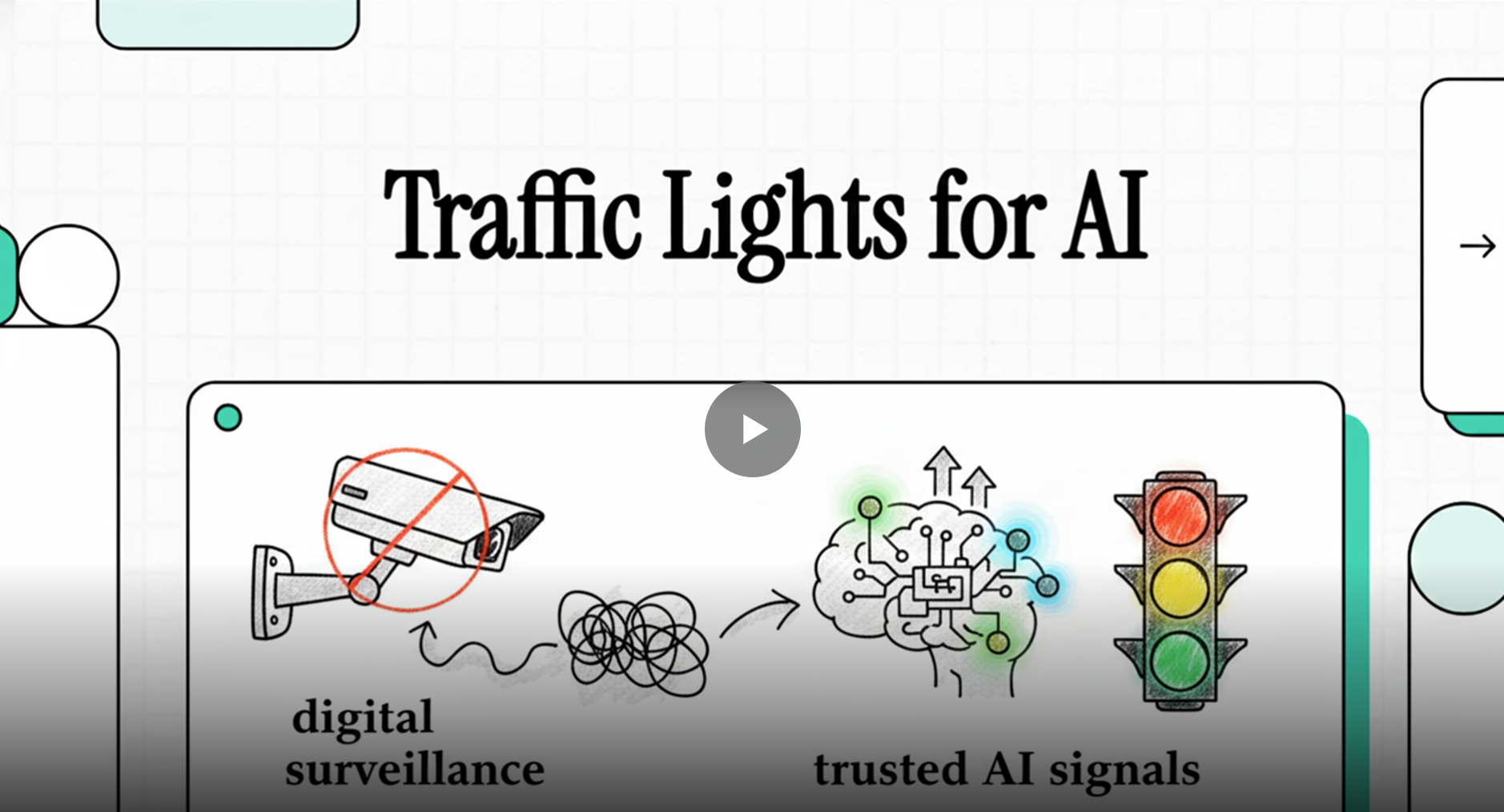
Traffic Lights for the Age of AI
In our previous article — “Article 88b: From Cookie Banner Theatre to Portable Privacy Signals” — we explored how the EU’s proposed Article 88b could mark the beginning of the end for endless cookie banners and fragmented consent experiences.
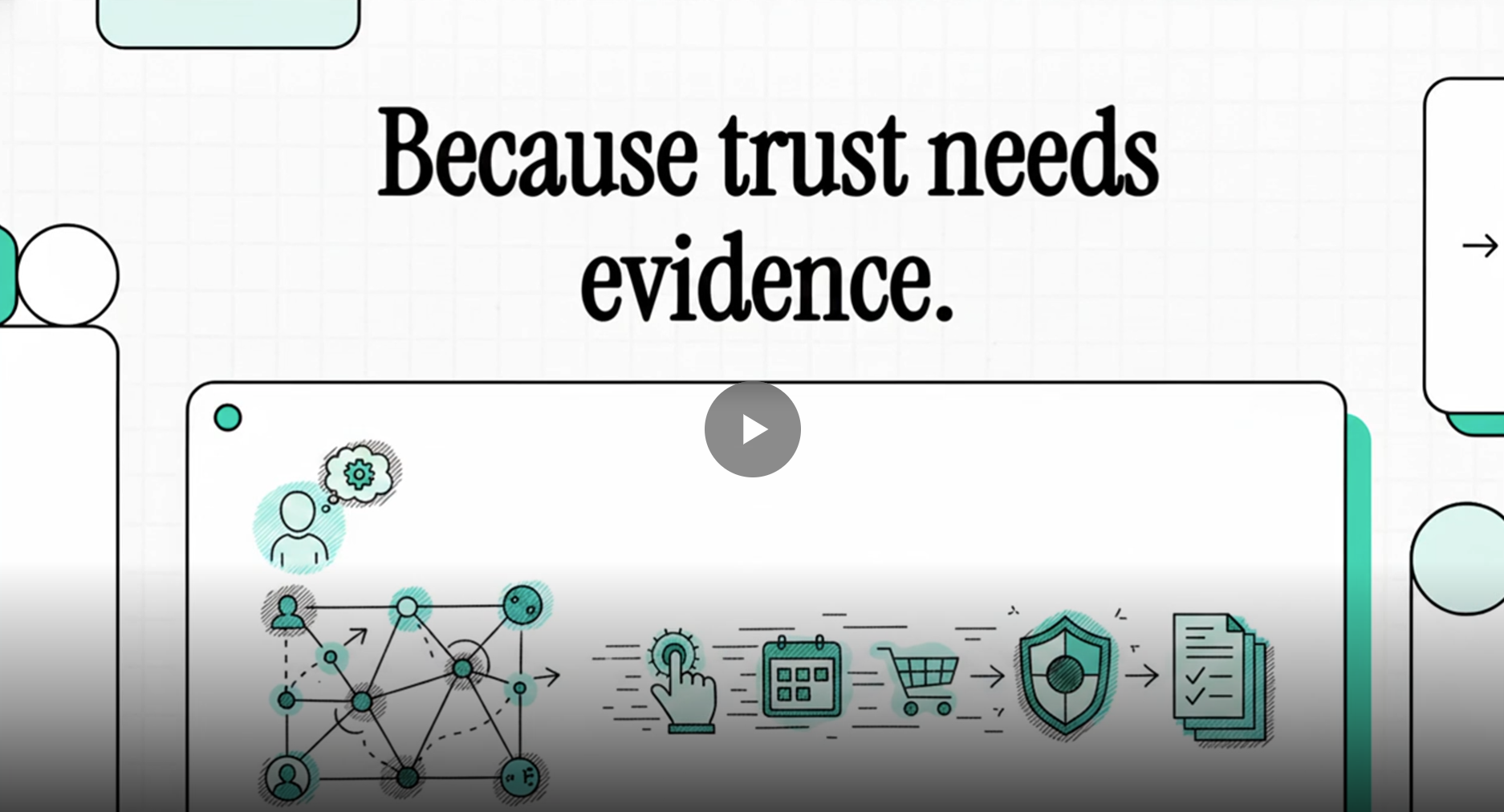
If You Don’t Know What Your AI Agent Has Done, Then You Don’t Know What Your AI Agent Has Done
AI Agents are moving faster than governance frameworks can keep up. AI Agents are quickly evolving from assistants into actors. They are already booking appointments, making recommendations, comparing products, generating content, moving information between systems and increasingly making decisions on behalf of individuals and organisations.
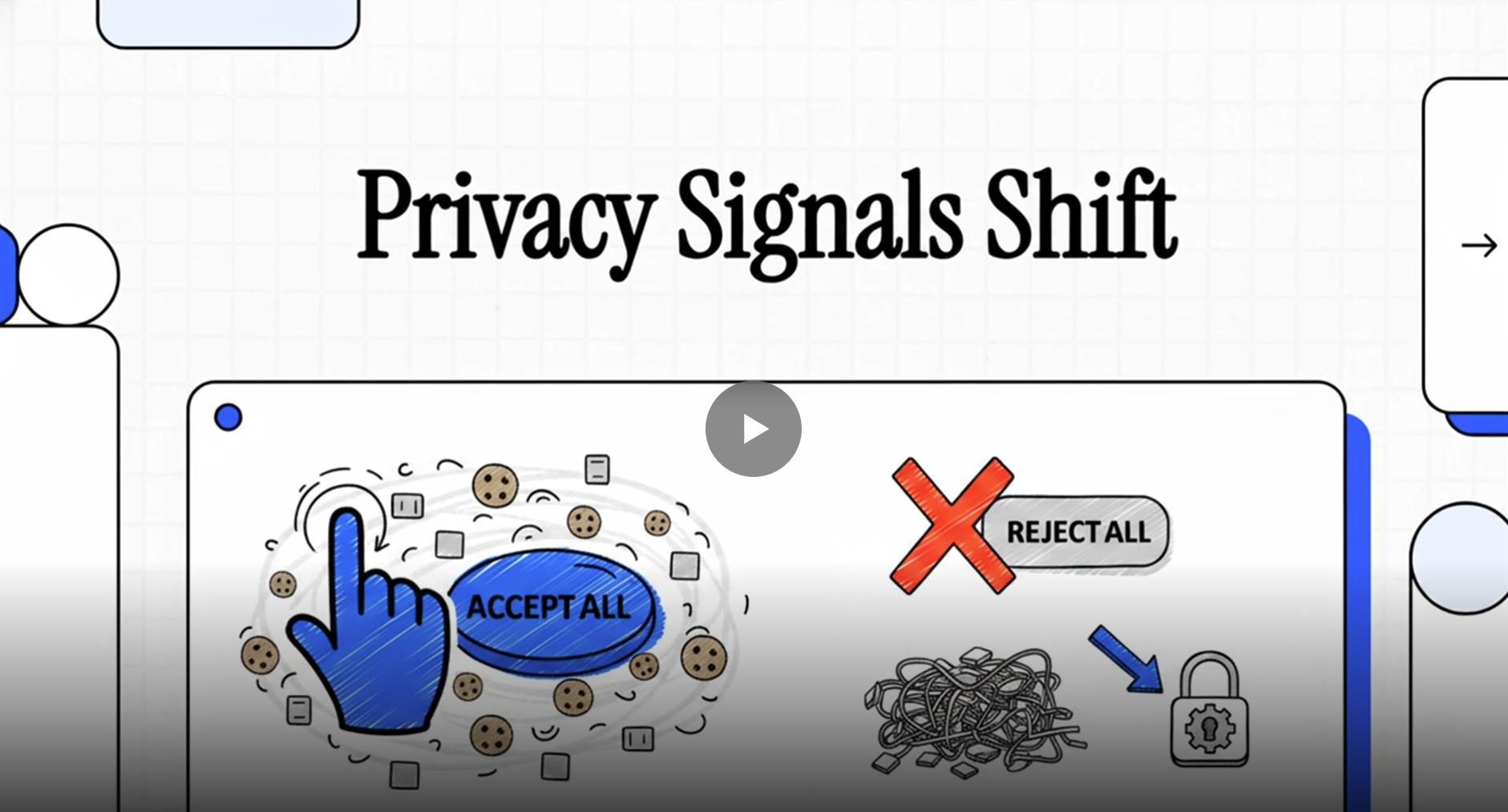
Article 88b: From Cookie Banner Theatre to Portable Privacy Signals
For years, the internet has trained people to click “Accept All.” Not because they truly understood or agreed to how their data would be used — but because endless cookie banners, consent pop-ups and fragmented privacy settings made meaningful choice almost impossible.
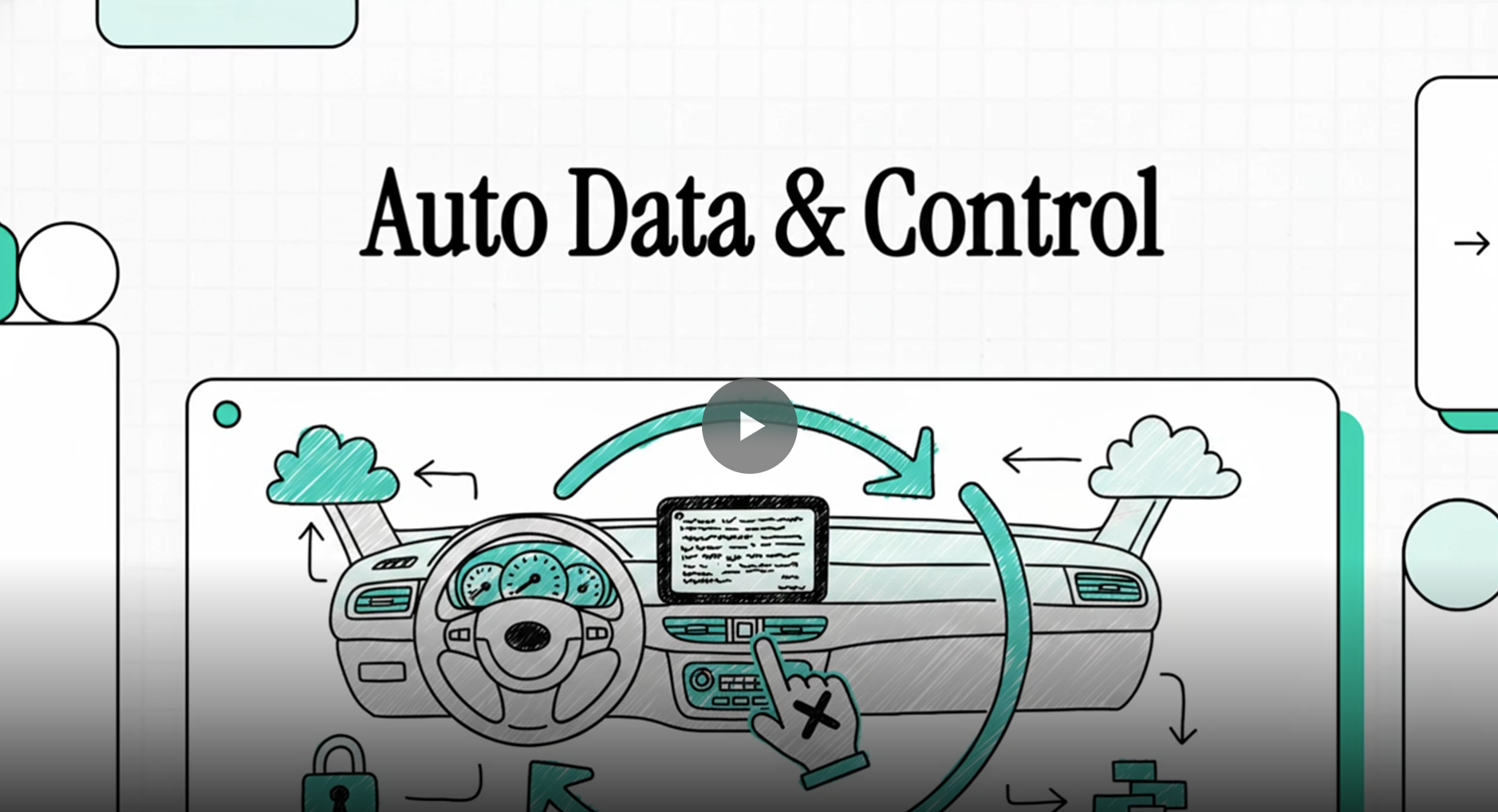
How long will auto manufacturers get away with this way of managing our data?
This is a real photo, taken recently by one of our team, of their vehicle’s infotainment screen. It’s asking them to review updated terms. On a screen that size. In a car. And like most drivers, they’ll click through — because what’s the alternative?
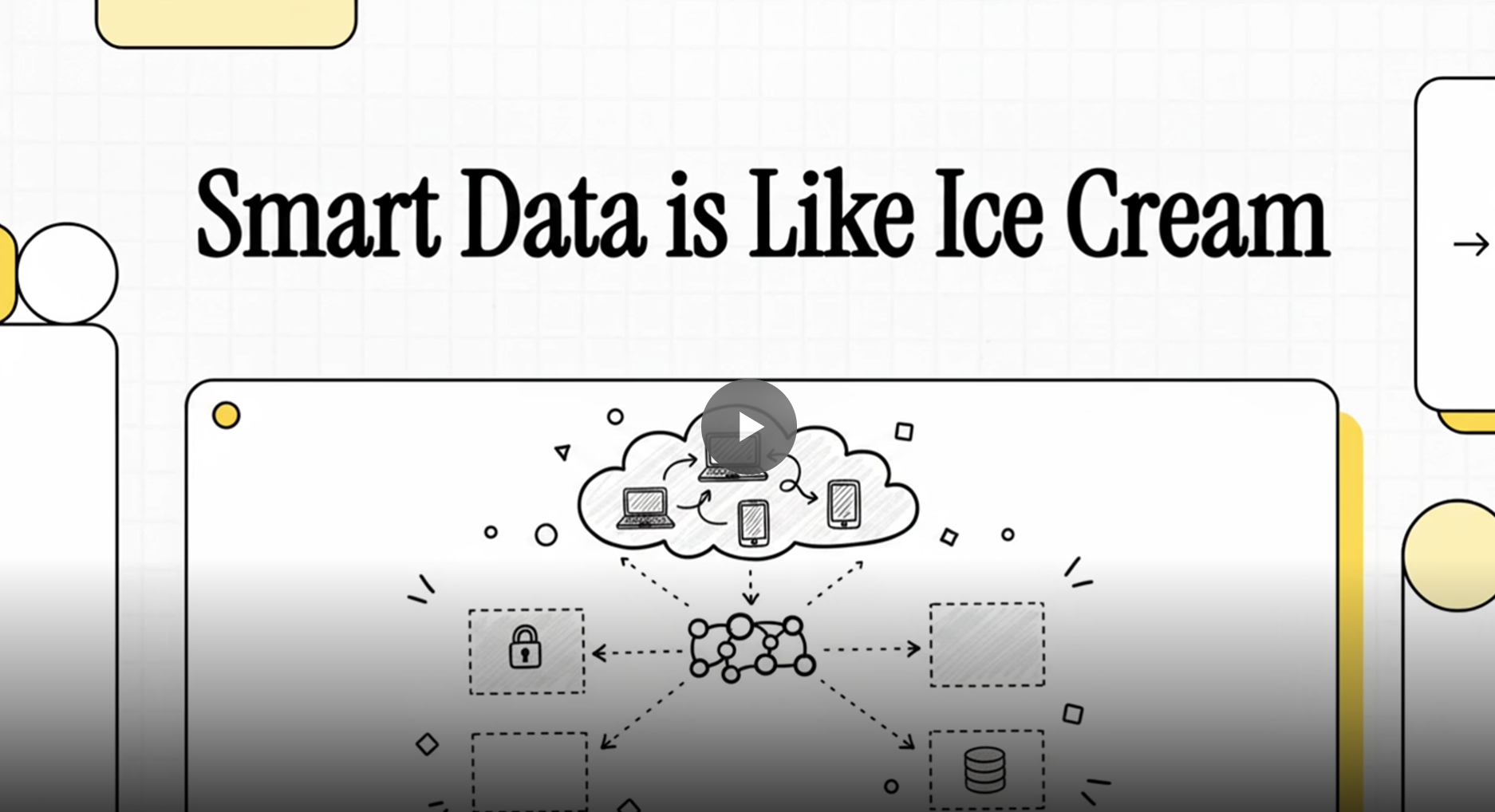
Smart Data Should Be Built as a Network — Not a Collection of Schemes
Are we about to build twenty smart data schemes… when what we really need is one smart data network?
Twenty ways to fragment the same underlying problem.
What’s needed is not twenty schemes.
It’s a single, interoperable smart data network that can support all of them—and many more.
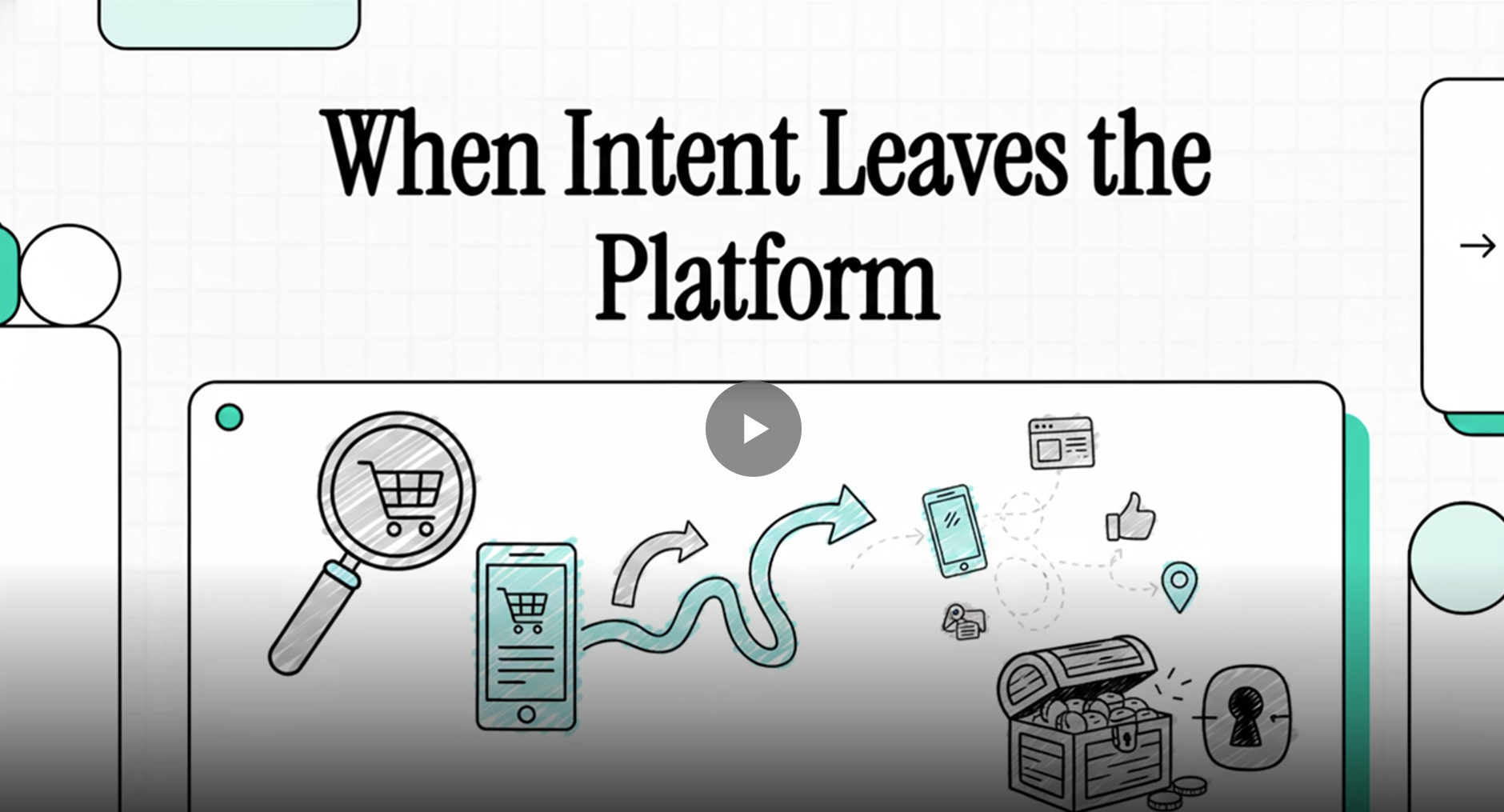
Retail Media’s Next Frontier: When Intent Leaves the Platform
Retail media has become one of the defining growth engines of modern marketing. What began as an extension of shopper marketing—sponsored listings, on-site placements, and closed-loop attribution—has evolved into a sophisticated ecosystem powered by first-party data (1PD), AI, and increasingly advanced measurement frameworks.
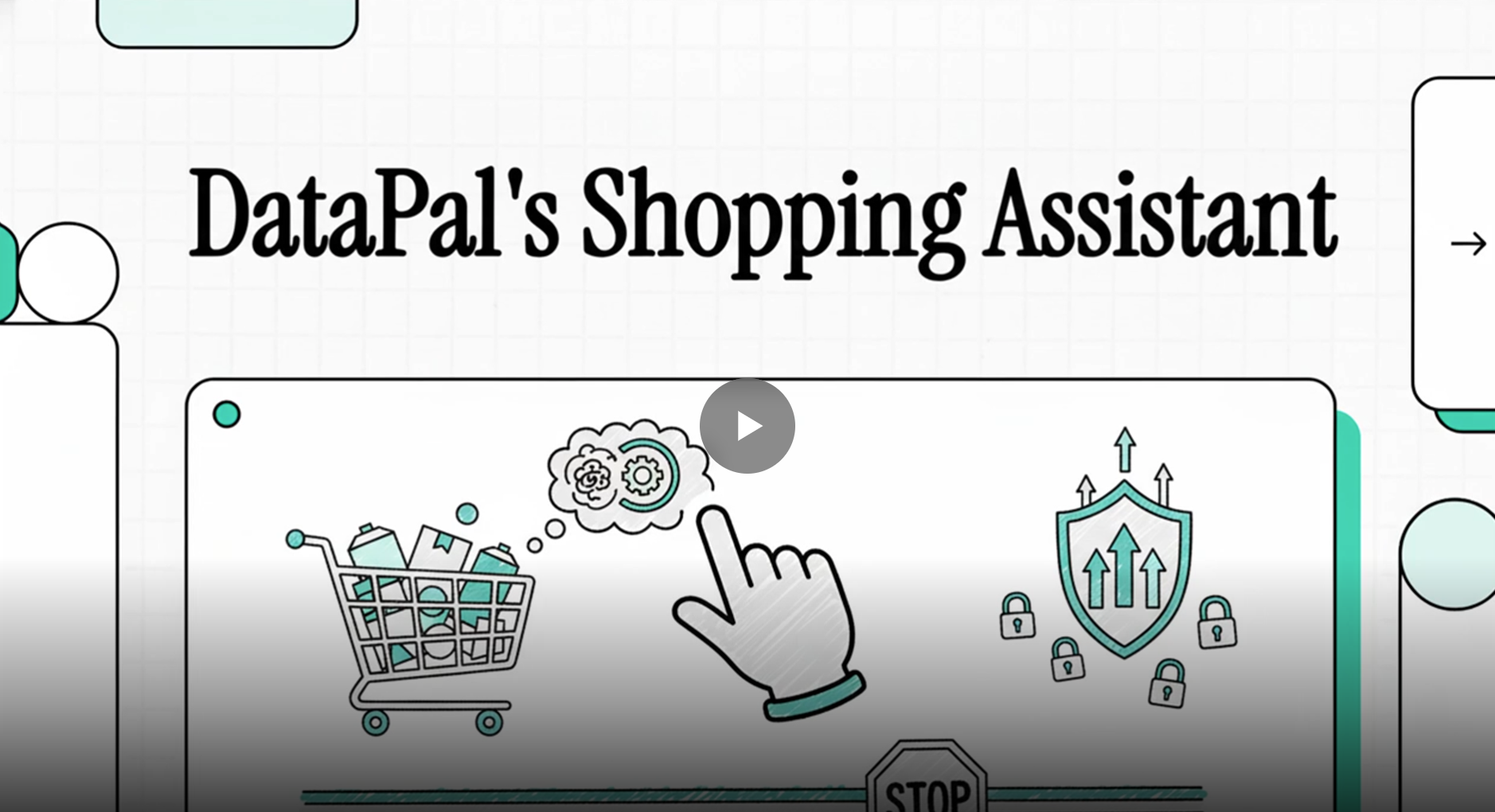
Two Modes, One Vision: How DataPal's Shopping Assistant Puts You in Control
Customer Agency in Action isn’t a better chatbot. It’s not a smarter recommendation engine. It’s something more fundamental: Customers with their own agents, operating on their own data, fulfilling their own intentions. Two modes. One principle: You are in control. Not the retailer. Not the platform. Not the algorithm.
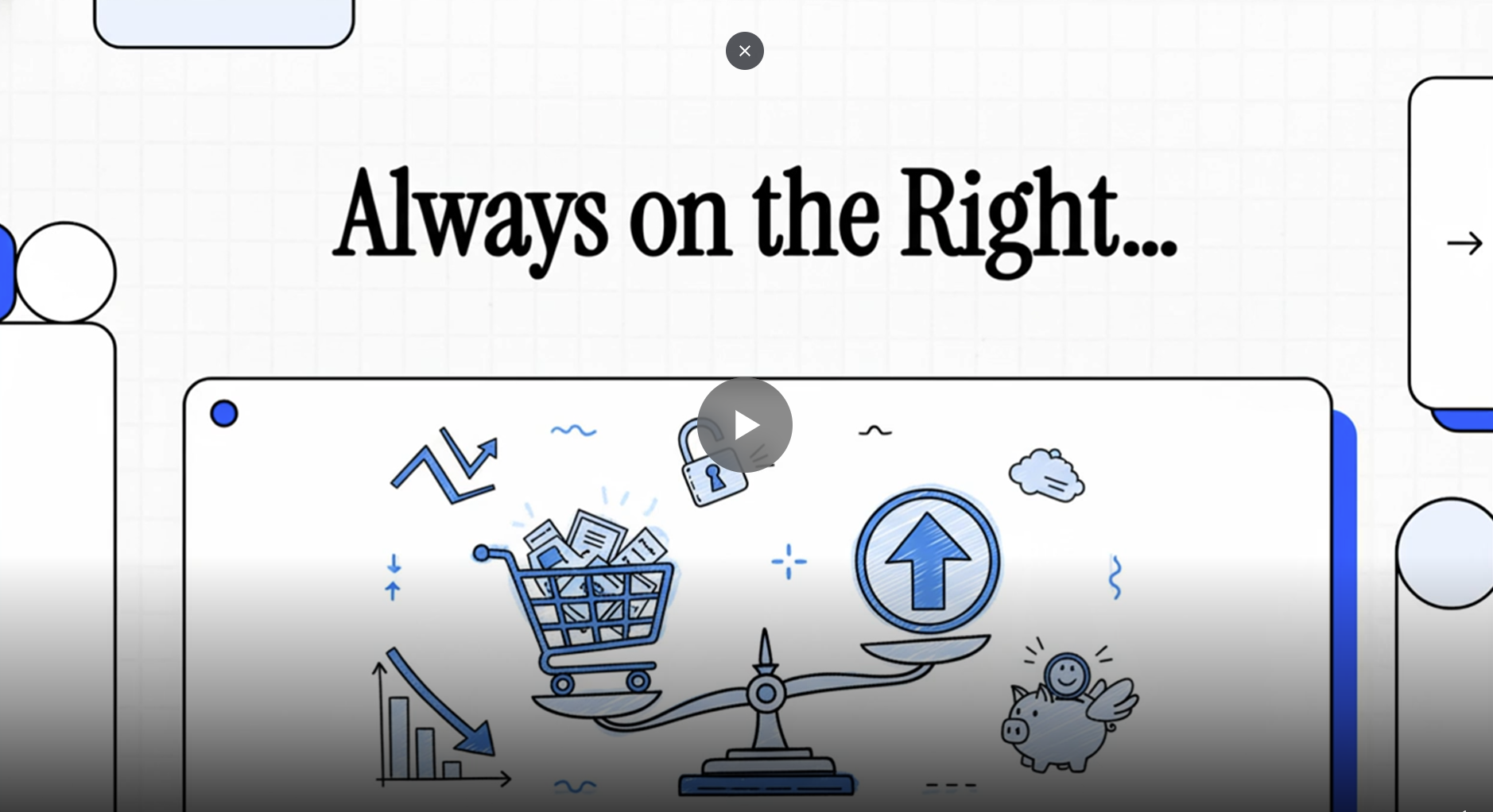
Always on the Right…
For years, we’ve talked about the idea of being on the “right deal.”. The best energy tariff. The right insurance. The optimal subscription mix. And we’ve built tools to help—search, comparison sites, switching services. But all of them share the same flaw: They are one-off decisions in a constantly changing world.
Mind The Gap
It’s a familiar phrase—heard on train platforms as a warning to passengers. A small gap, perhaps. But one that, if ignored, can cause real problems. In the digital world, there is another gap. Far larger. Far more consequential.
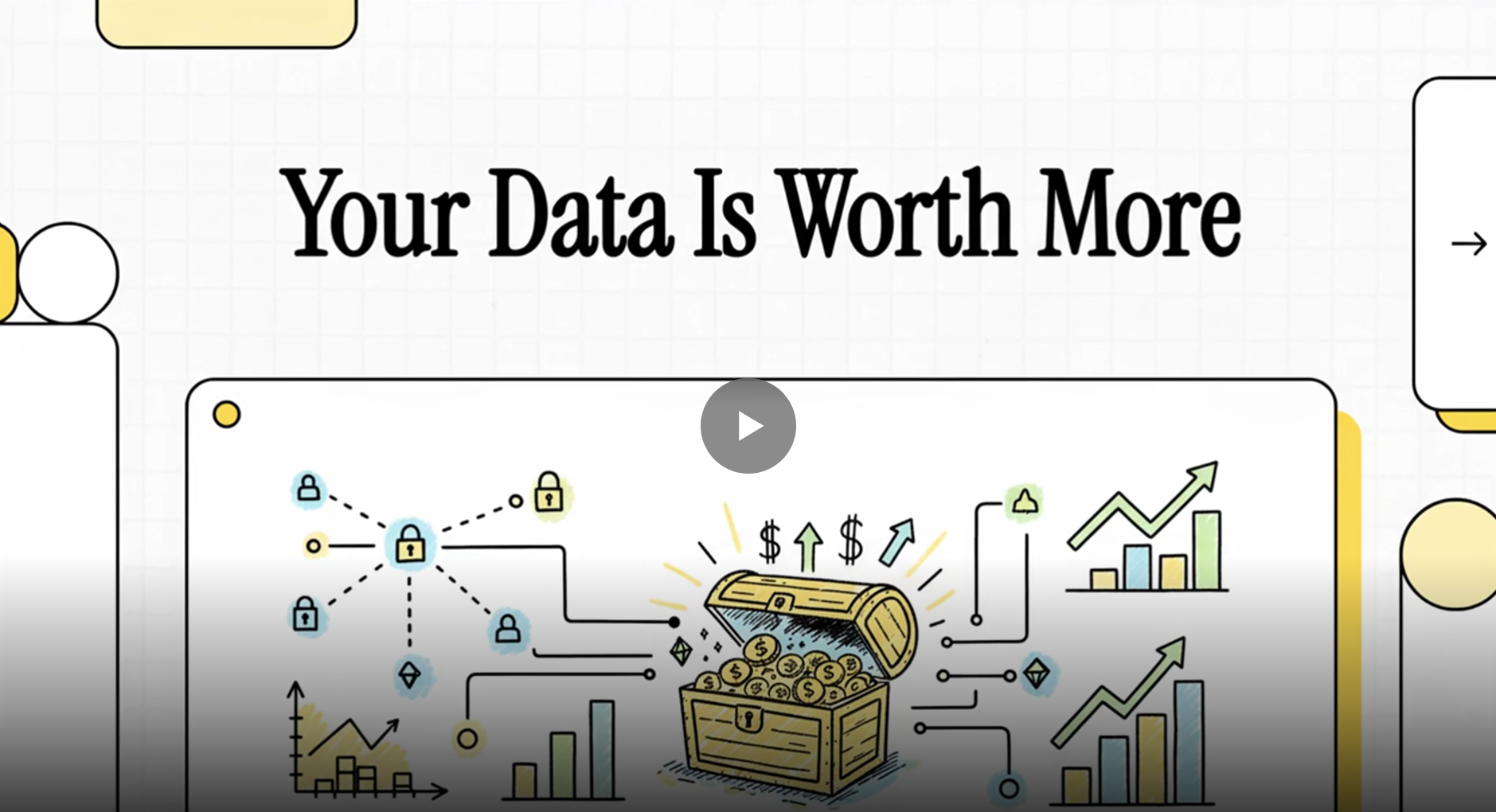
Data Quality and Ethical Data Sharing for Health and Wealth Insights
For decades, we have lived in a state of digital serfdom. We generate an ocean of data every second—our heart rates, our spending habits, our career milestones—yet we rarely "own" any of it in a meaningful sense. Instead, this information sits trapped in corporate silos, treated either as a liability to be managed or a product to be sold.
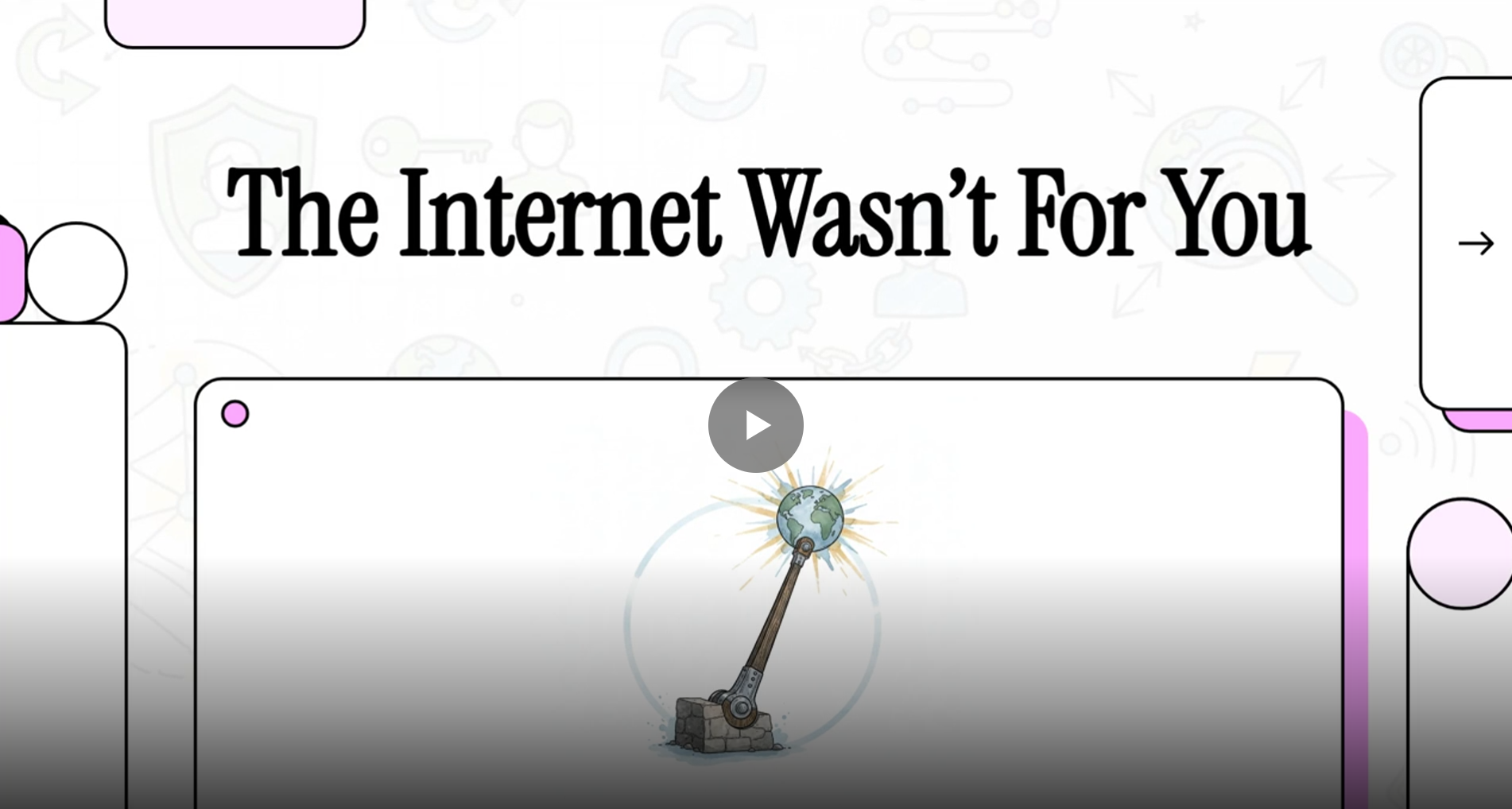
If I Had a Place to Stand and a Lever… We Might Just Fix the Internet
Archimedes famously said: “Give me a place to stand, and a lever, and I will move the world.”
It’s a bold claim. But like most powerful ideas, it’s not about physics—it’s about leverage. And right now, in the digital world, individuals have almost none.
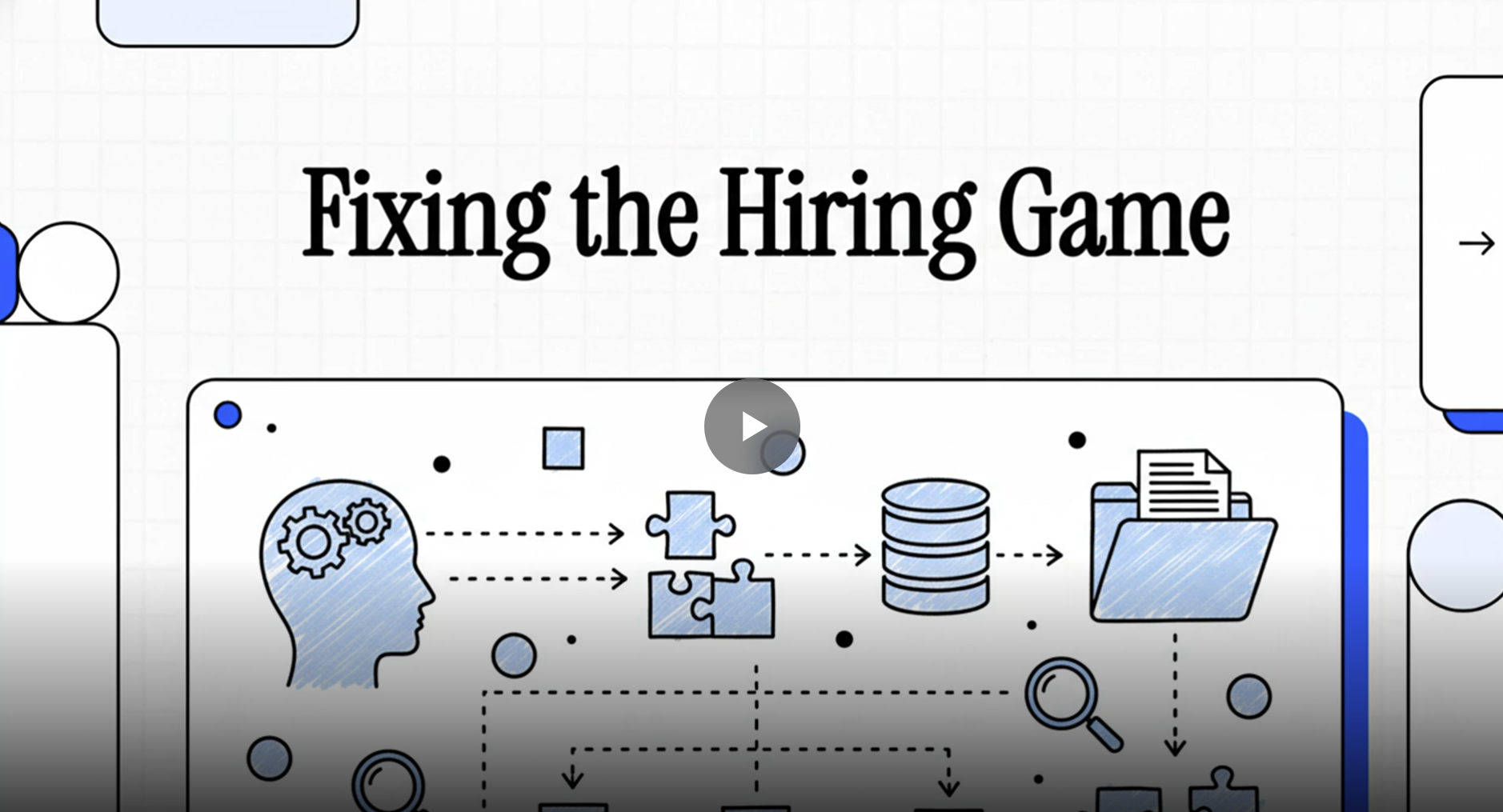
How Putting People First in Data (and MyTerms) Can Change the Hiring Game
Hiring has become a data-heavy, AI-driven process that too often strips out trust, transparency and humanity. This article explores how a people-first, candidate-centric approach — powered by personal data ownership and MyTerms — could rebalance the hiring process, protect privacy, improve matching, and deliver better outcomes for both candidates and employers.