

Our Blog
Thought Leadership
Defining the intelligence advantage: Expert perspectives on the intersection of AI Agents, Smart Data, and digital ethics.
Search for specific articles, e.g. ‘AI Agents’
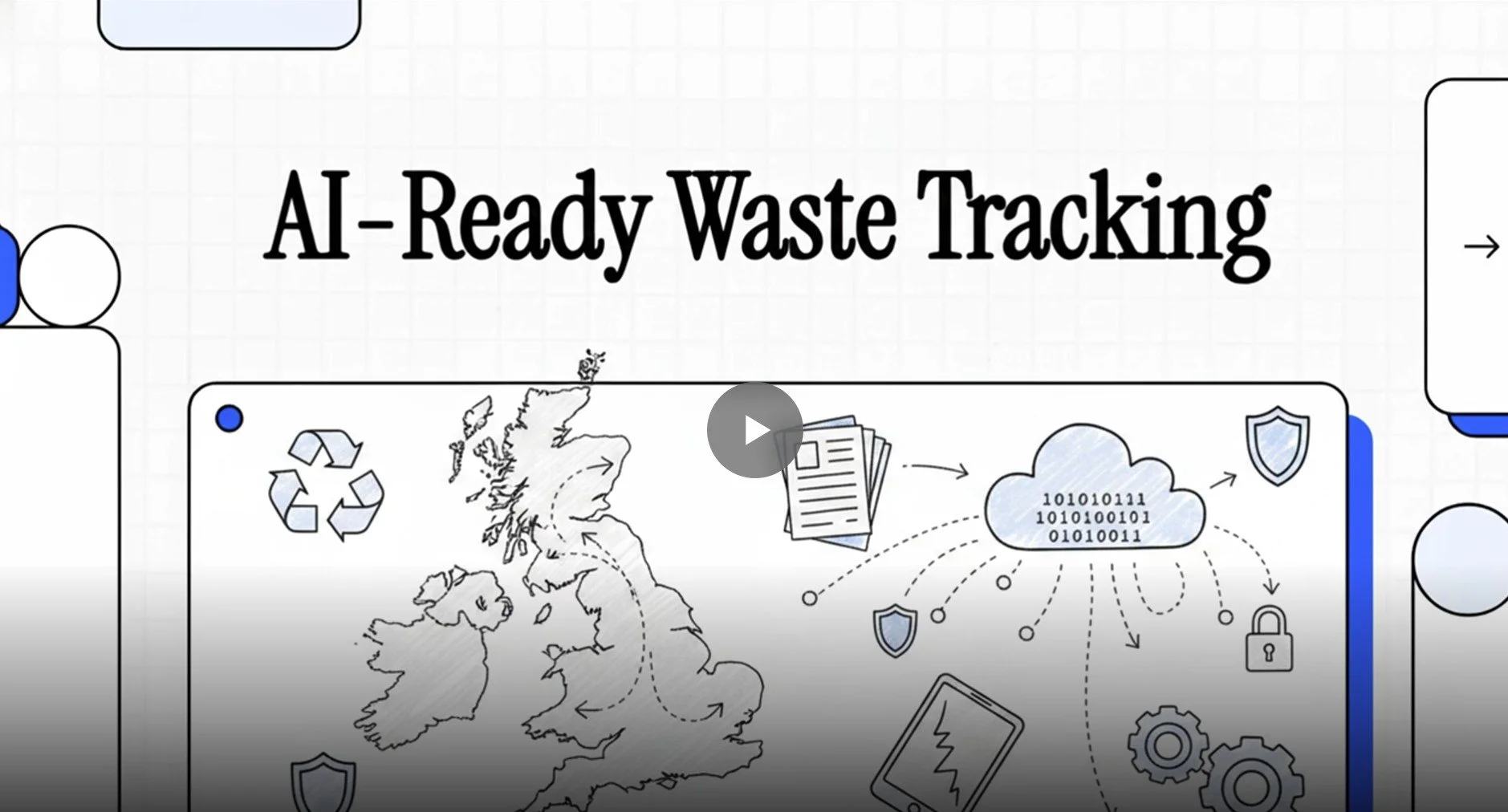
AI-Ready Waste Tracking with Trusted Data Relationships
Most people see the UK's new Digital Waste Tracking programme as an environmental initiative.
They're right. But they're also missing the bigger story.
Behind the headlines about replacing paper waste transfer notes with digital reporting lies something far more significant. The Government is quietly changing who it designs digital services for.
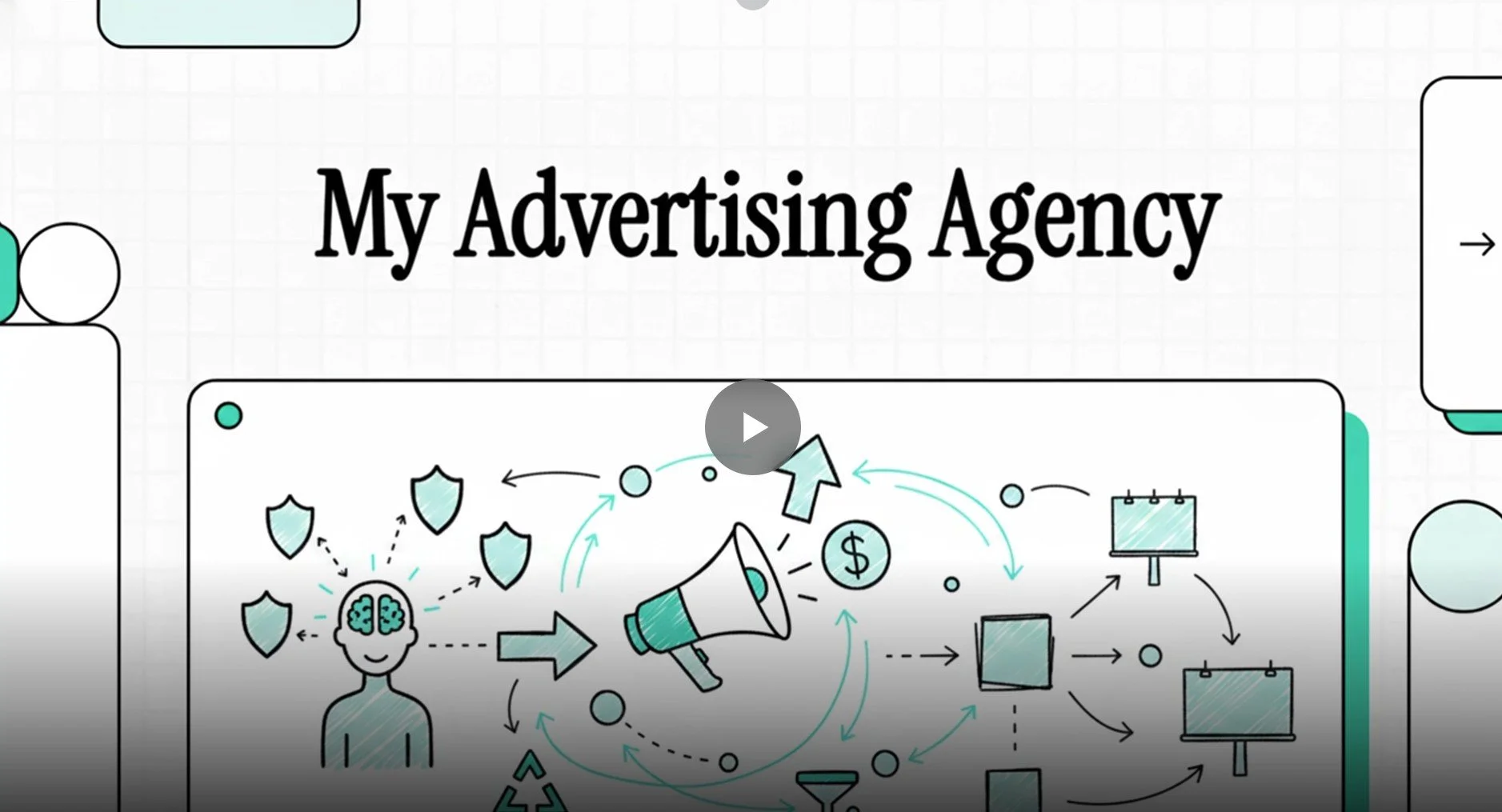
My Advertising Agency
What if the advertising agency that knew you best was the one that worked for you?
For decades, advertising has been built on a remarkably difficult challenge. How do you discover what millions of people might want to buy, often before they know it themselves?
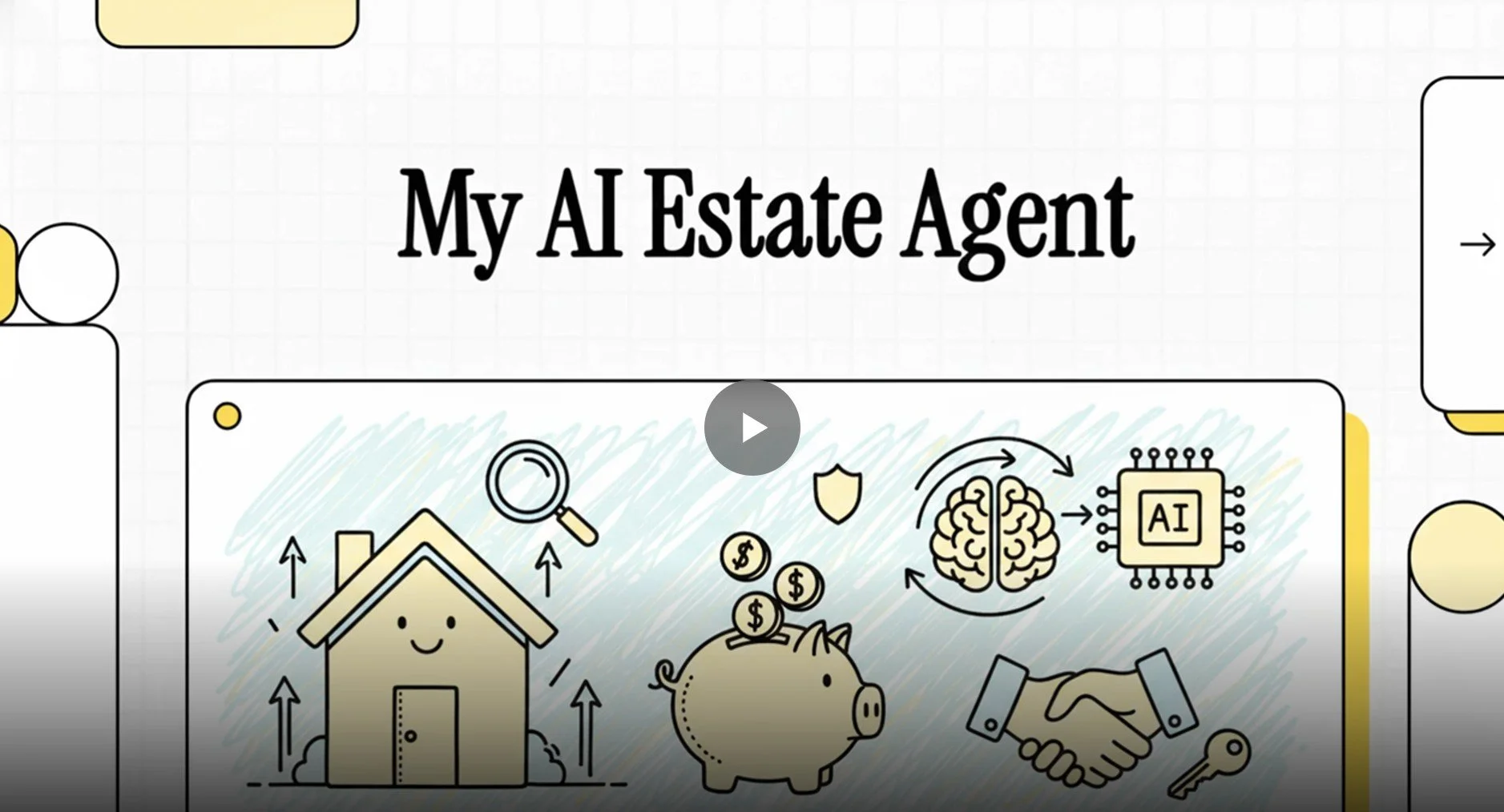
What if my Estate Agent was an AI Agent?
Soon we'll stop asking whether an organisation uses AI.
We'll start asking:
Whose AI is it?
Who pays it?
Who can instruct it?
Who can audit what it has done?
Whose interests does it ultimately represent?
Those questions will define trust in the Agentic Economy.
Tell Your Story Once…
There is no “tell them once” system and no “tell them once” database. There are data privacy issues with all this that would need to be handled, and it could only be done on a voluntary basis.
It should not be like that in a digital world. This is the one time where we are actually capable.
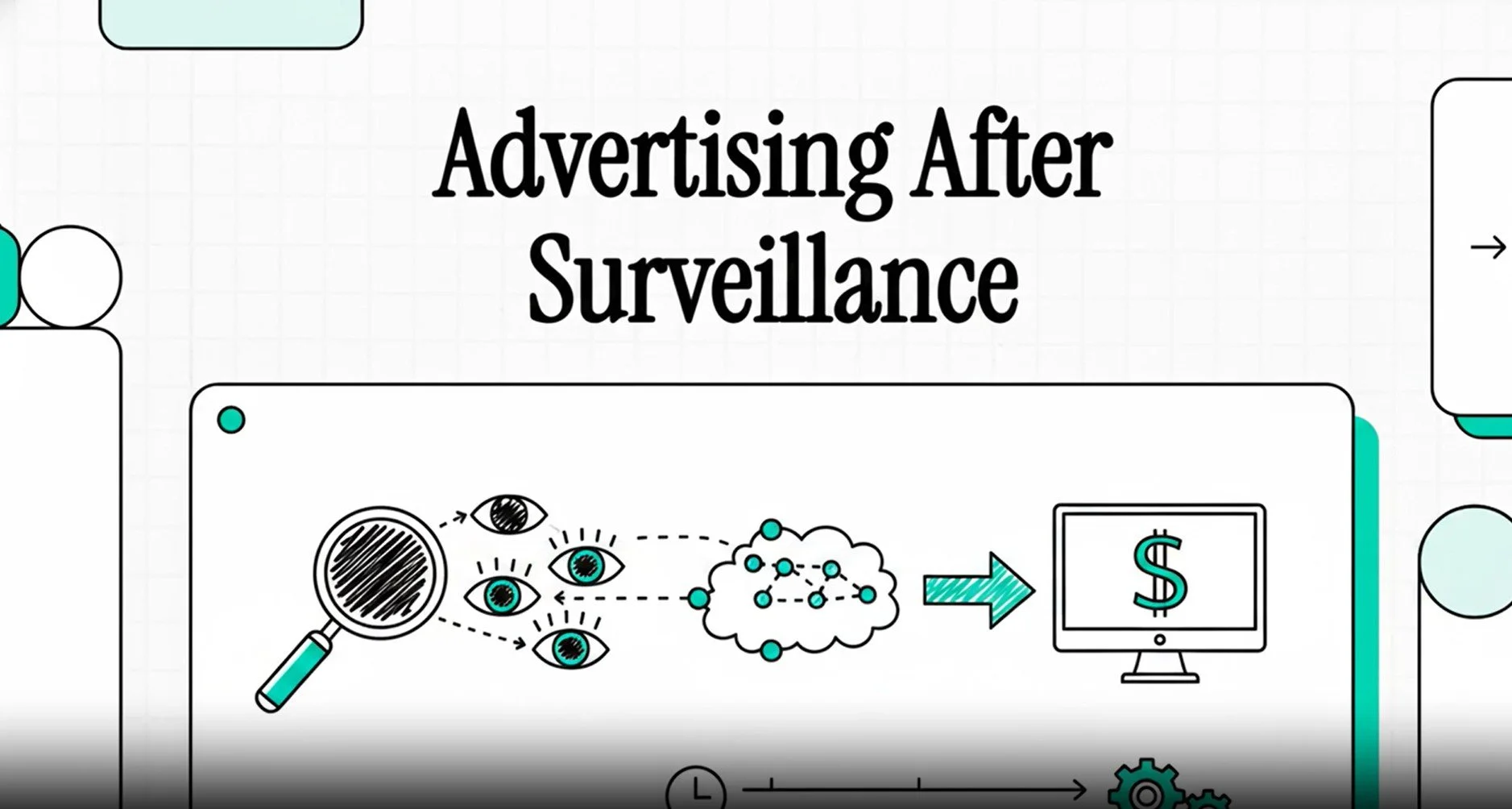
Advertising After Surveillance
For centuries, markets have depended on one simple principle: people who have something to offer must be able to find people who want it.
Economists have long described this as supply and demand. Whether supply comes first or demand comes first matters less than the balance between them. Healthy markets depend on both sides having agency.
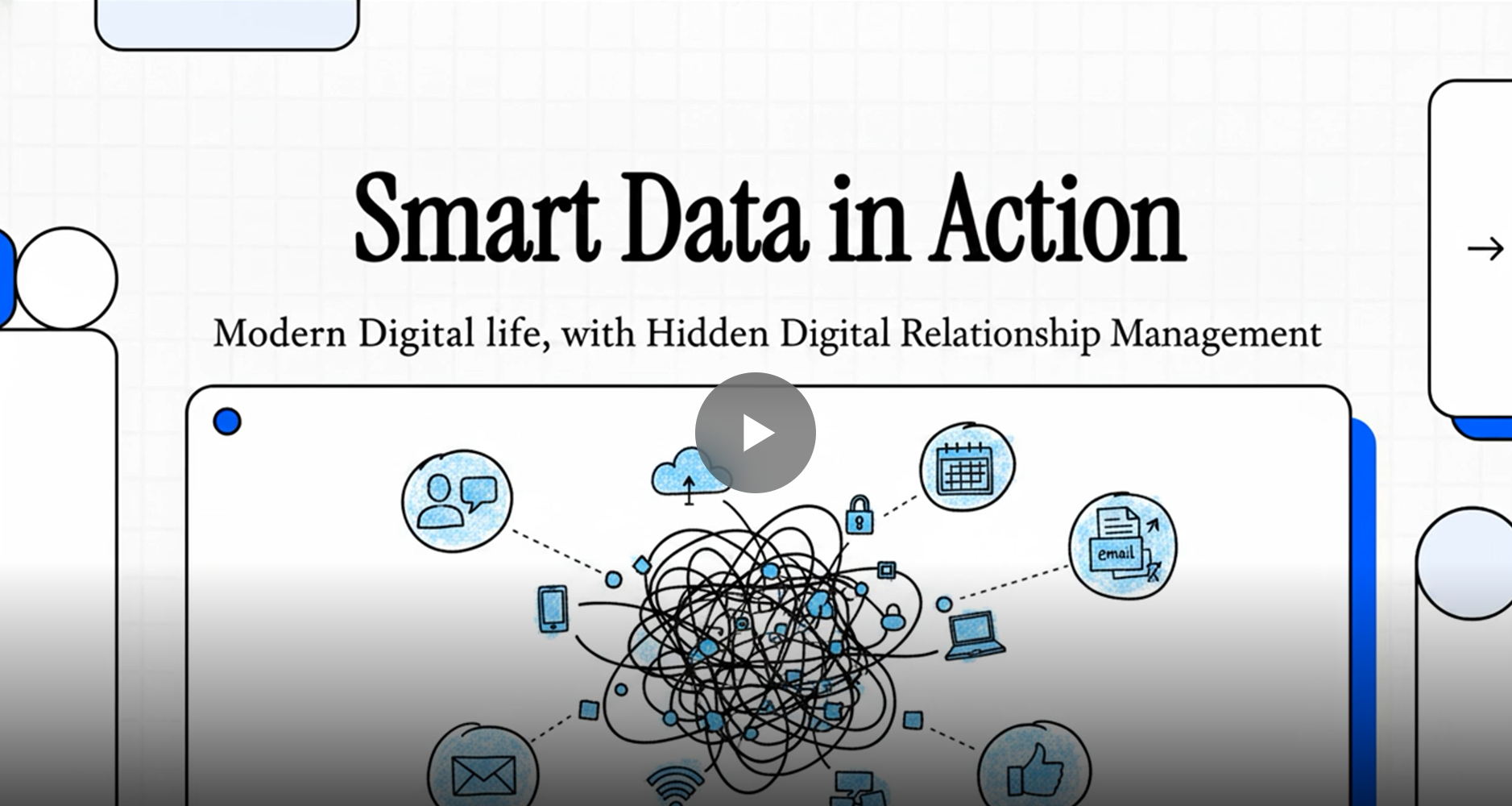
Smart Data in Action
Much of the discussion around Smart Data focuses on data portability, interoperability and the economic benefits of enabling data to move more freely between organisations. These are important objectives. Better use of data has the potential to unlock innovation, improve services, increase competition and drive economic growth. But for Smart Data to fulfil that promise, it must land meaningfully for millions of individuals, households and the organisations they interact with every day.
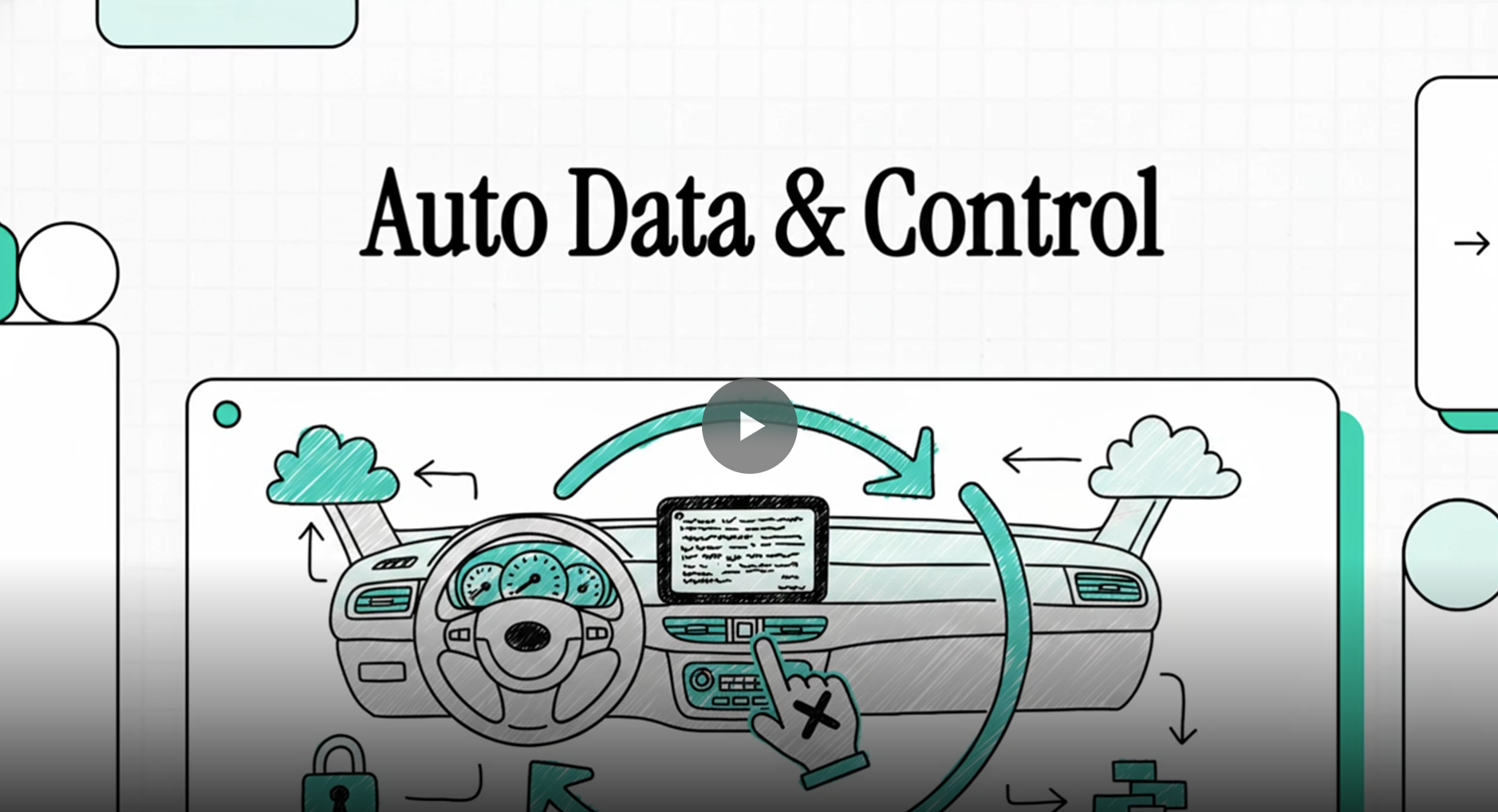
How long will auto manufacturers get away with this way of managing our data?
This is a real photo, taken recently by one of our team, of their vehicle’s infotainment screen. It’s asking them to review updated terms. On a screen that size. In a car. And like most drivers, they’ll click through — because what’s the alternative?
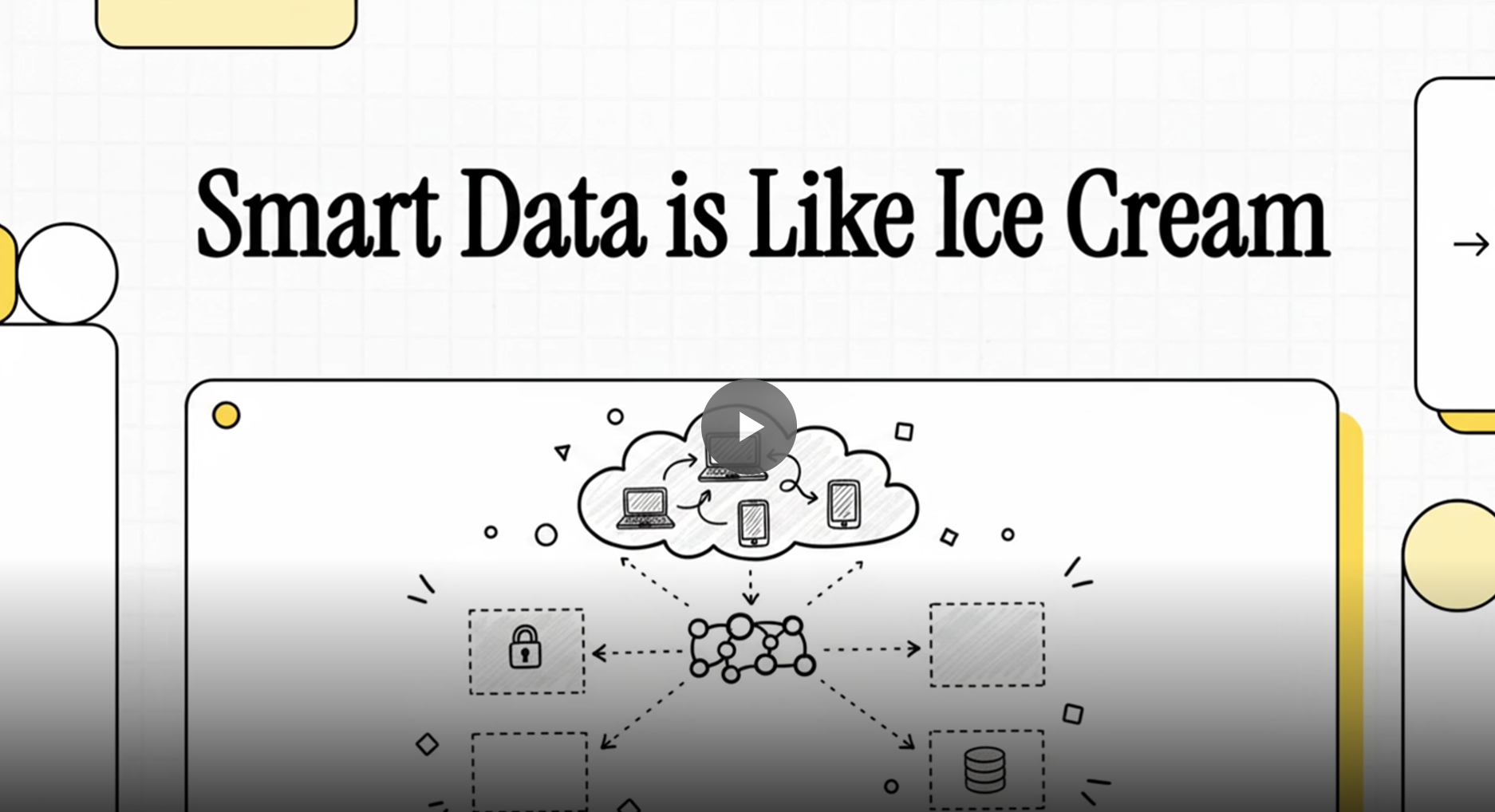
Smart Data Should Be Built as a Network — Not a Collection of Schemes
Are we about to build twenty smart data schemes… when what we really need is one smart data network?
Twenty ways to fragment the same underlying problem.
What’s needed is not twenty schemes.
It’s a single, interoperable smart data network that can support all of them—and many more.