

Our Blog
Thought Leadership
Defining the intelligence advantage: Expert perspectives on the intersection of AI Agents, Smart Data, and digital ethics.
Search for specific articles, e.g. ‘AI Agents’
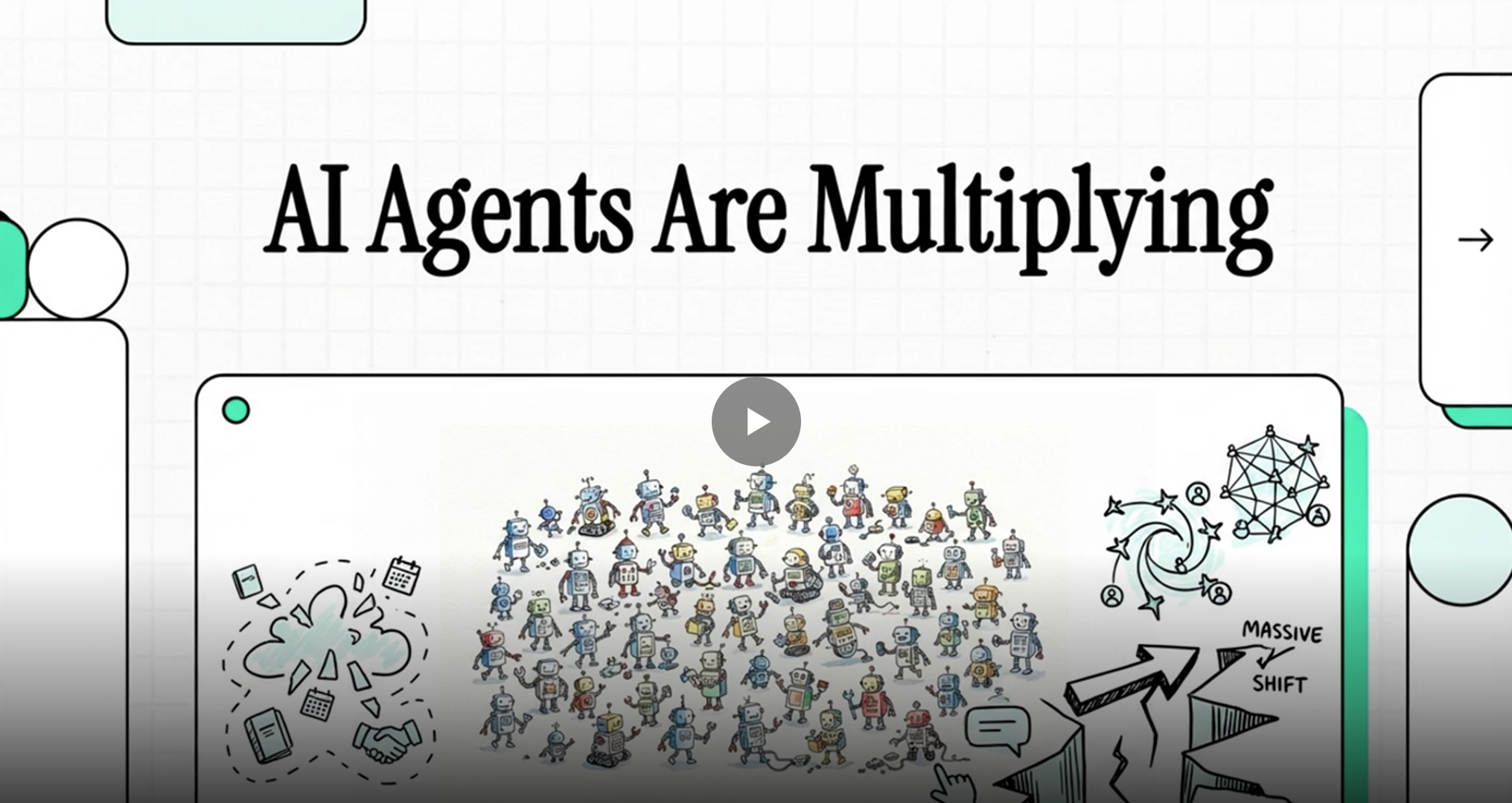
Three Agents, One Personal Context: And how that changes AI
Agents are multiplying. Context is not. There is no shortage of AI agents right now. They book meetings, write emails, summarise documents, answer questions. Most of them are capable. Most of them are also stateless. They know nothing about you when you arrive, they learn nothing when you leave, and whatever you told them in between stays with them — not you. This is the quiet problem at the centre of the current agent boom. Capability is not the bottleneck. Context is.
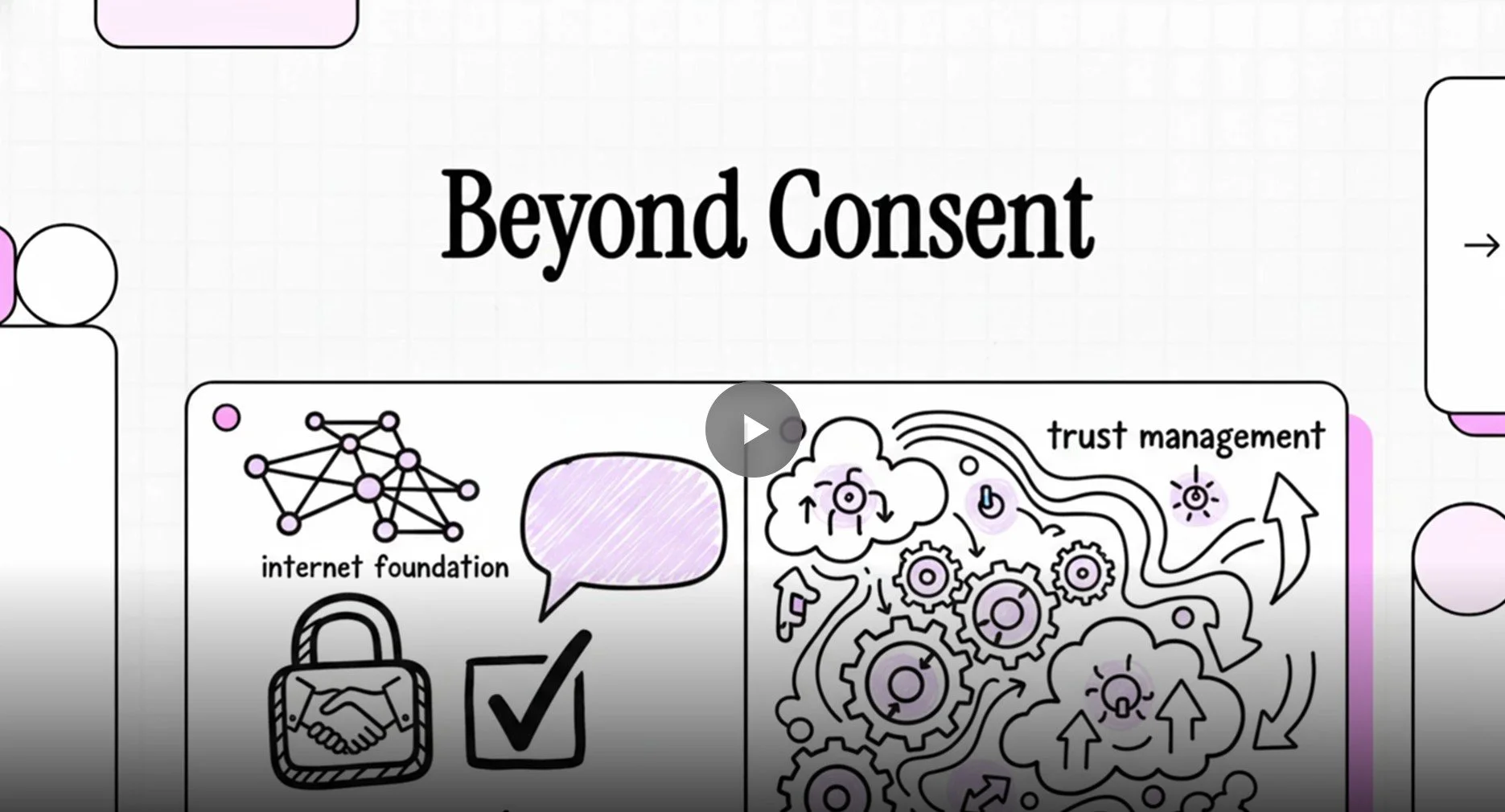
Beyond Consent: Why Trust Management Platforms Are Emerging
An entire global industry emerged around answering a single question: "May I collect and use your data?"
Driven by ePrivacy and GDPR and similar legislation around the world, organisations adopted cookie banners and consent tools to demonstrate compliance and give individuals greater control over how their personal information is collected and processed.
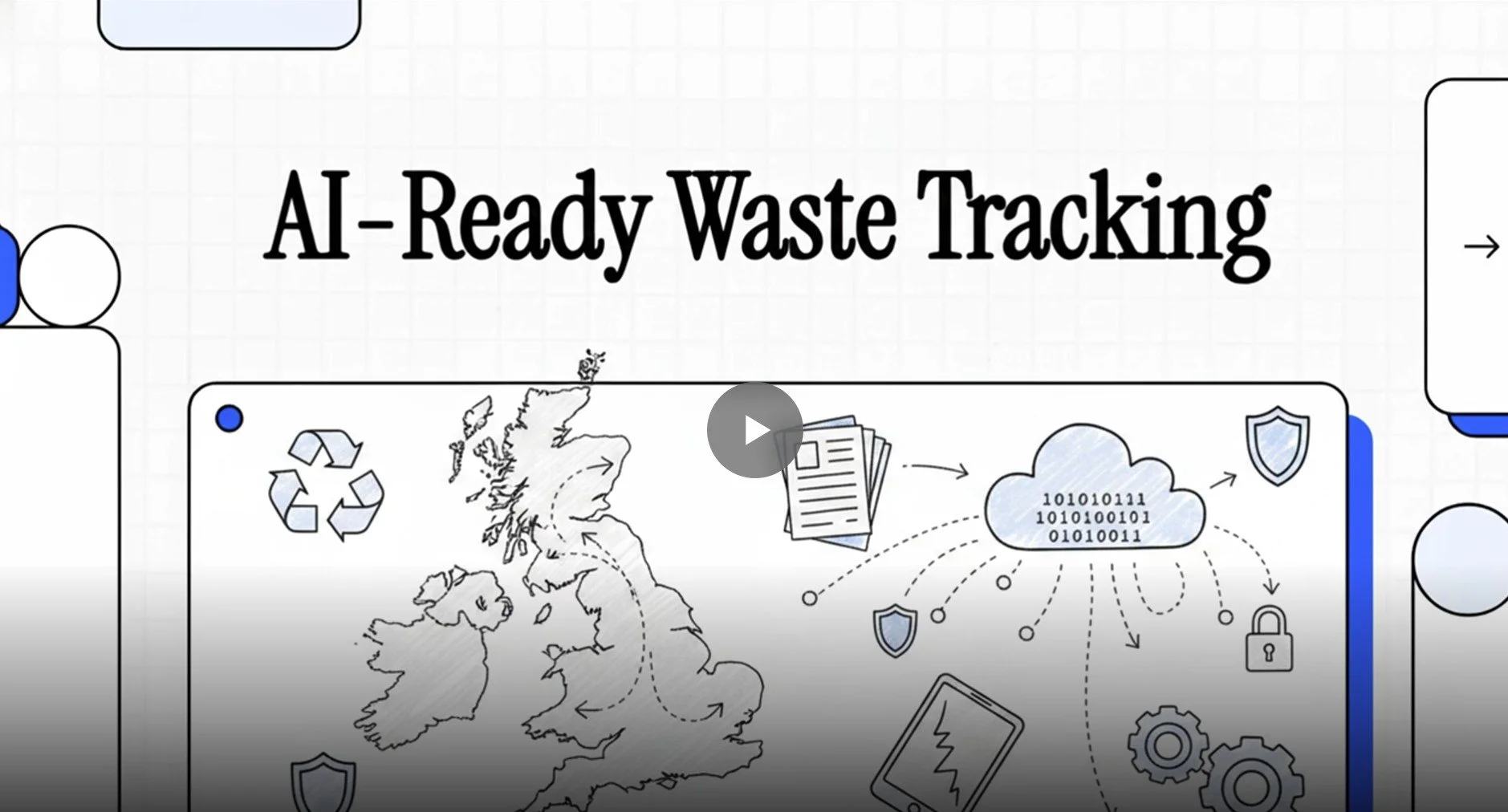
AI-Ready Waste Tracking with Trusted Data Relationships
Most people see the UK's new Digital Waste Tracking programme as an environmental initiative.
They're right. But they're also missing the bigger story.
Behind the headlines about replacing paper waste transfer notes with digital reporting lies something far more significant. The Government is quietly changing who it designs digital services for.
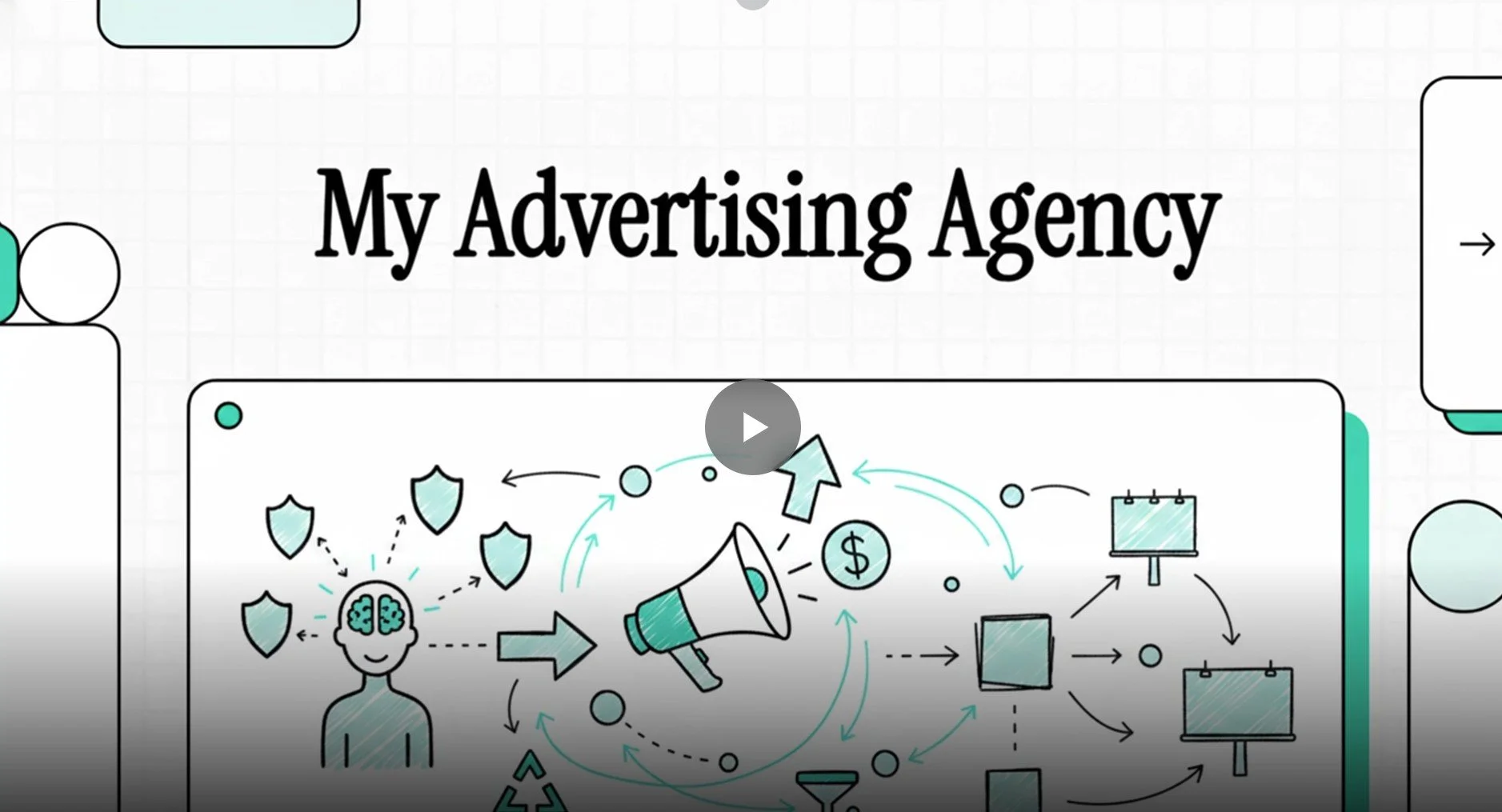
My Advertising Agency
What if the advertising agency that knew you best was the one that worked for you?
For decades, advertising has been built on a remarkably difficult challenge. How do you discover what millions of people might want to buy, often before they know it themselves?
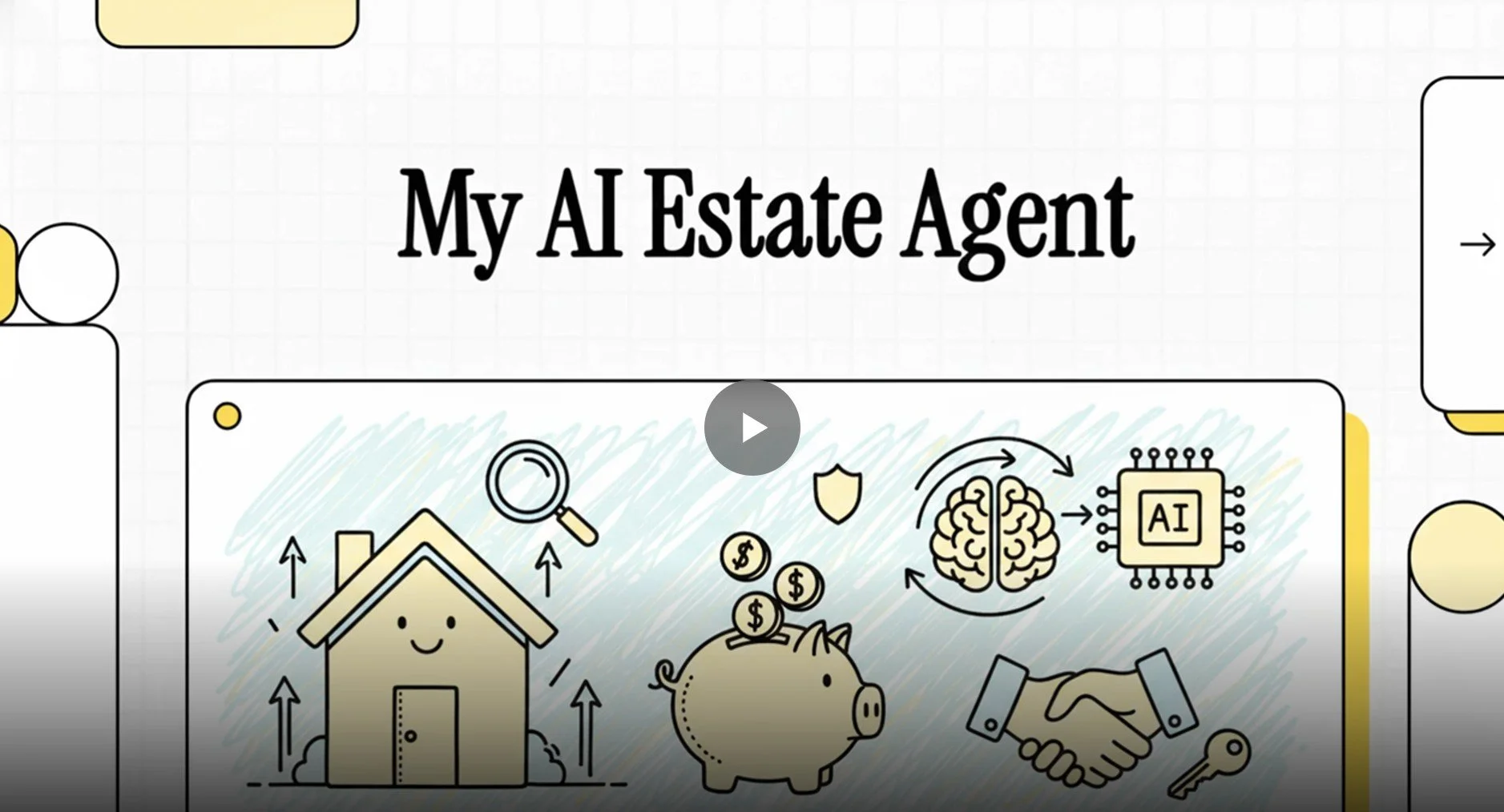
What if my Estate Agent was an AI Agent?
Soon we'll stop asking whether an organisation uses AI.
We'll start asking:
Whose AI is it?
Who pays it?
Who can instruct it?
Who can audit what it has done?
Whose interests does it ultimately represent?
Those questions will define trust in the Agentic Economy.

Tell Your Story Once…
There is no “tell them once” system and no “tell them once” database. There are data privacy issues with all this that would need to be handled, and it could only be done on a voluntary basis.
It should not be like that in a digital world. This is the one time where we are actually capable.
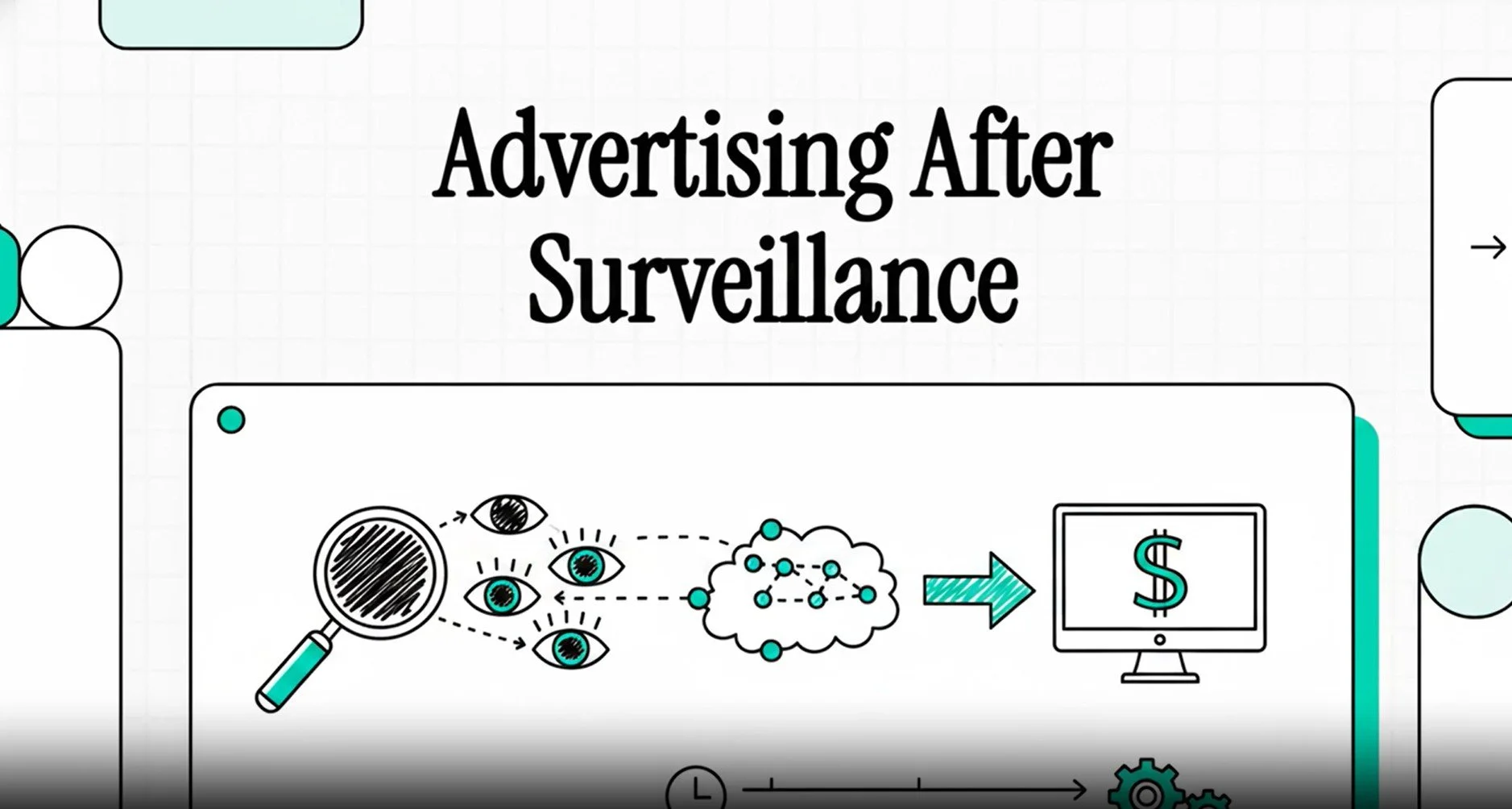
Advertising After Surveillance
For centuries, markets have depended on one simple principle: people who have something to offer must be able to find people who want it.
Economists have long described this as supply and demand. Whether supply comes first or demand comes first matters less than the balance between them. Healthy markets depend on both sides having agency.
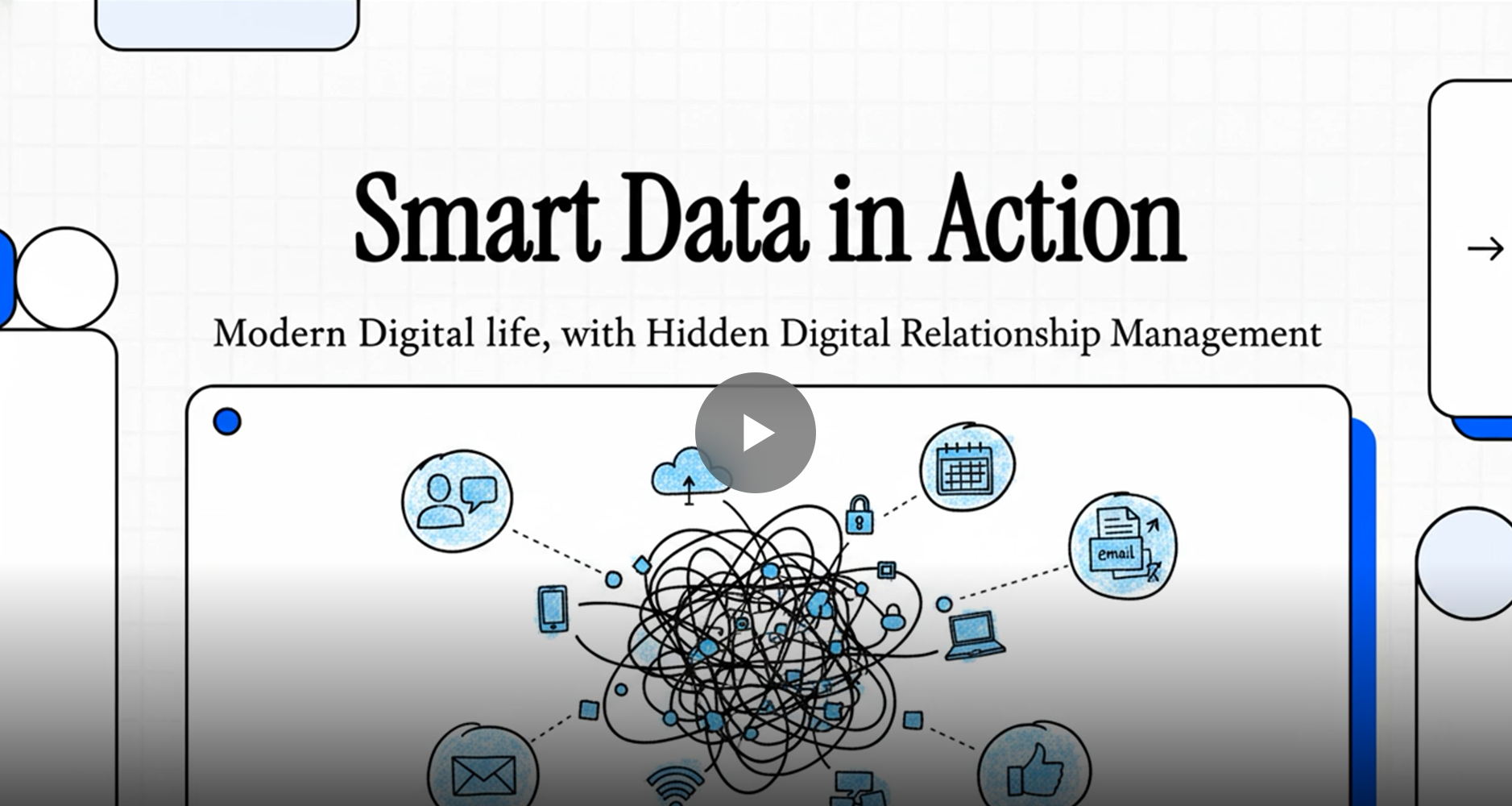
Smart Data in Action
Much of the discussion around Smart Data focuses on data portability, interoperability and the economic benefits of enabling data to move more freely between organisations. These are important objectives. Better use of data has the potential to unlock innovation, improve services, increase competition and drive economic growth. But for Smart Data to fulfil that promise, it must land meaningfully for millions of individuals, households and the organisations they interact with every day.
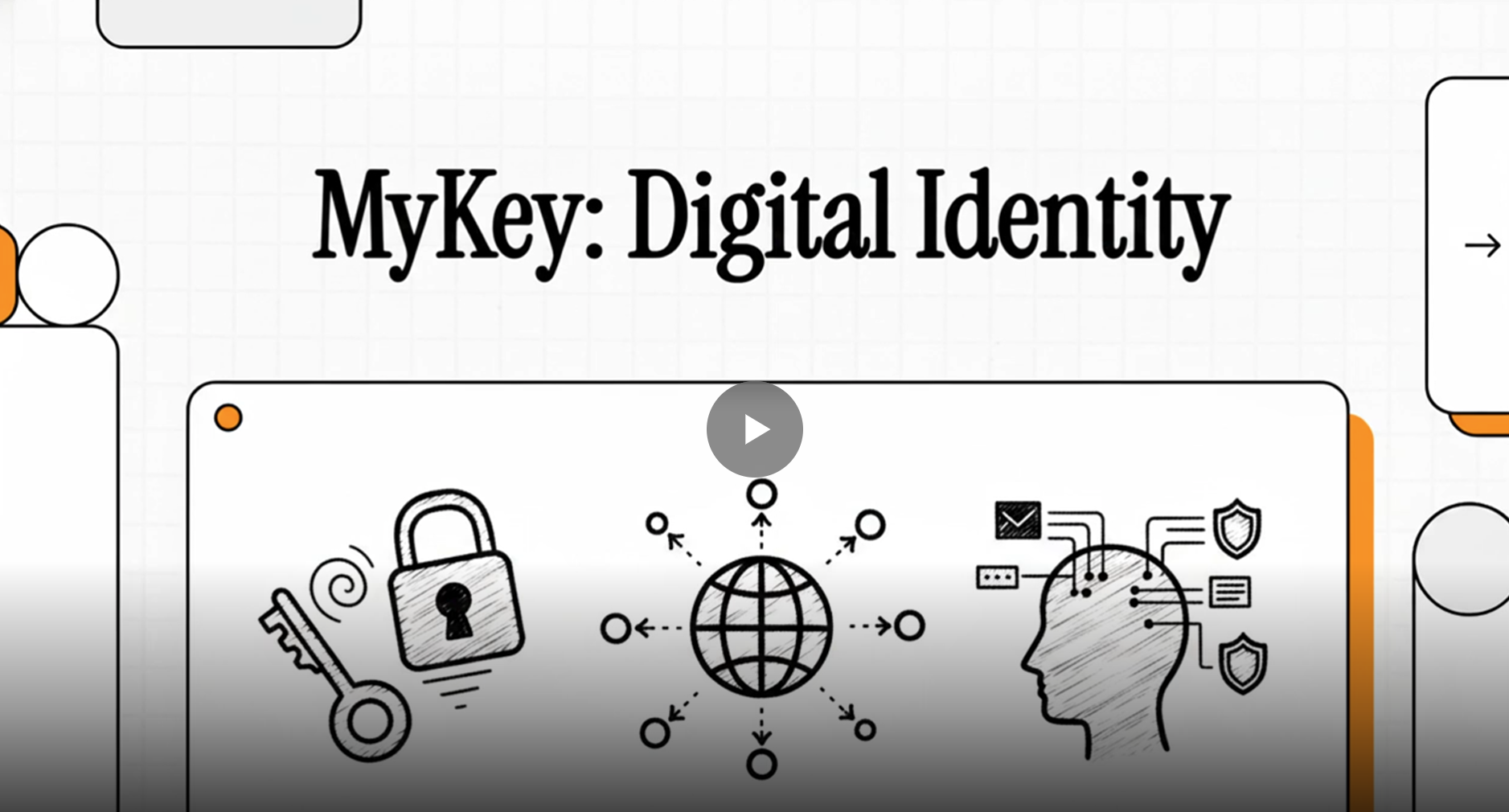
The Internet Needs New Infrastructure for the Age of AI Agents
The age of AI agents is forcing us to rethink how digital relationships work. Portable identity. Machine-readable agreements. Verifiable proof. These are no longer nice-to-haves. They are becoming foundational. Because before AI can safely act on our behalf, we first need infrastructure that works on ours.
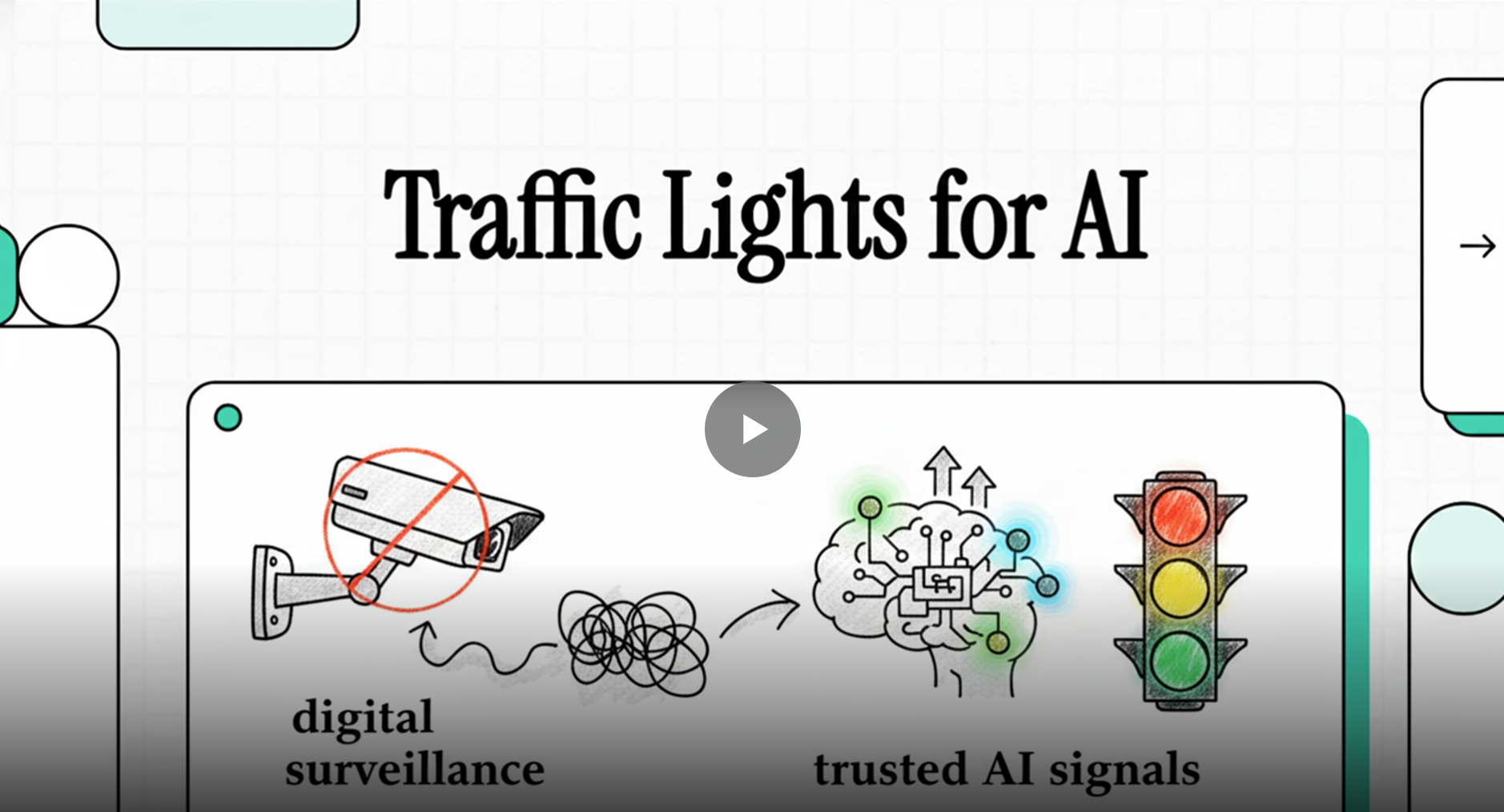
Traffic Lights for the Age of AI
In our previous article — “Article 88b: From Cookie Banner Theatre to Portable Privacy Signals” — we explored how the EU’s proposed Article 88b could mark the beginning of the end for endless cookie banners and fragmented consent experiences.
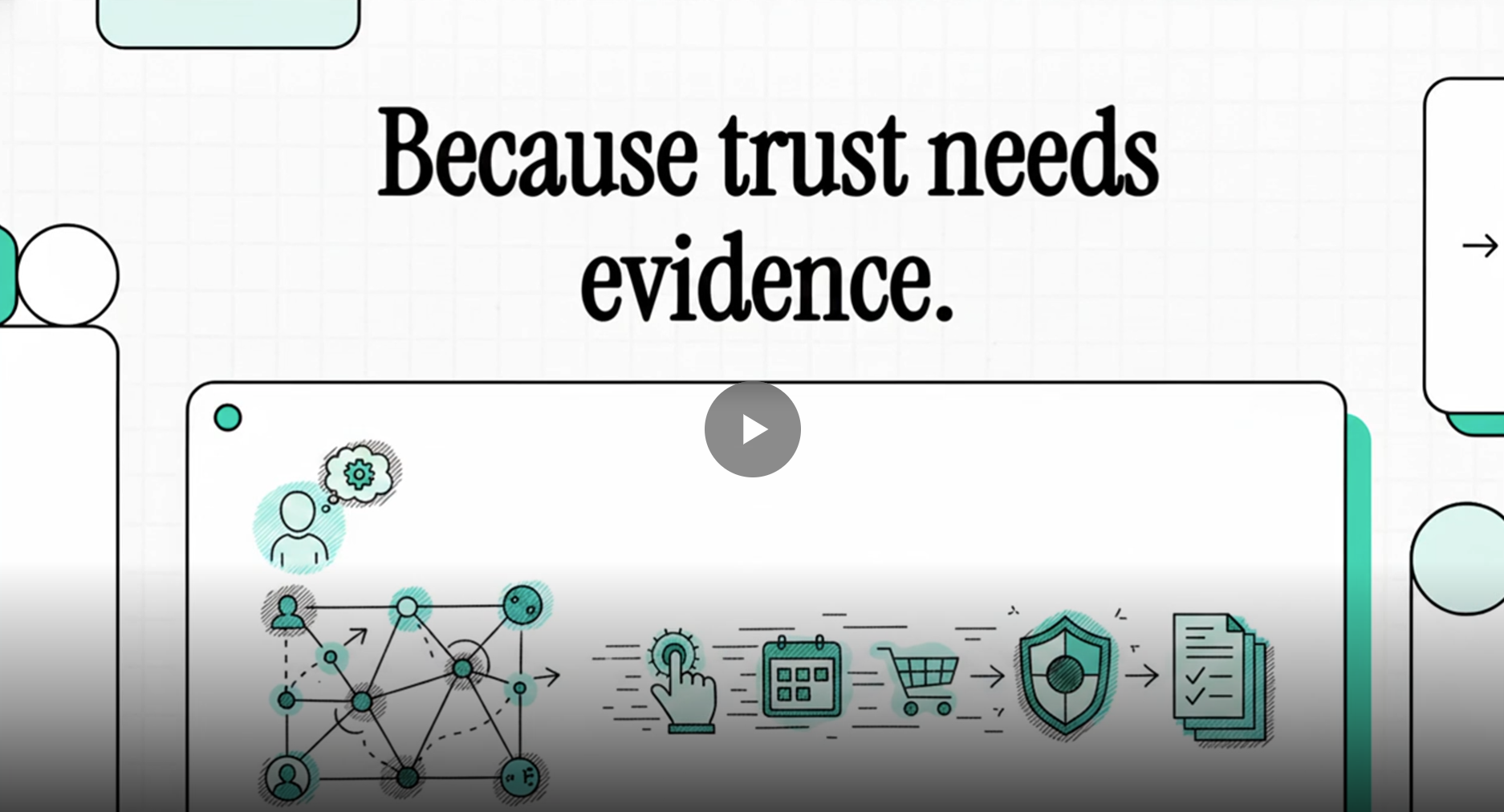
If You Don’t Know What Your AI Agent Has Done, Then You Don’t Know What Your AI Agent Has Done
AI Agents are moving faster than governance frameworks can keep up. AI Agents are quickly evolving from assistants into actors. They are already booking appointments, making recommendations, comparing products, generating content, moving information between systems and increasingly making decisions on behalf of individuals and organisations.
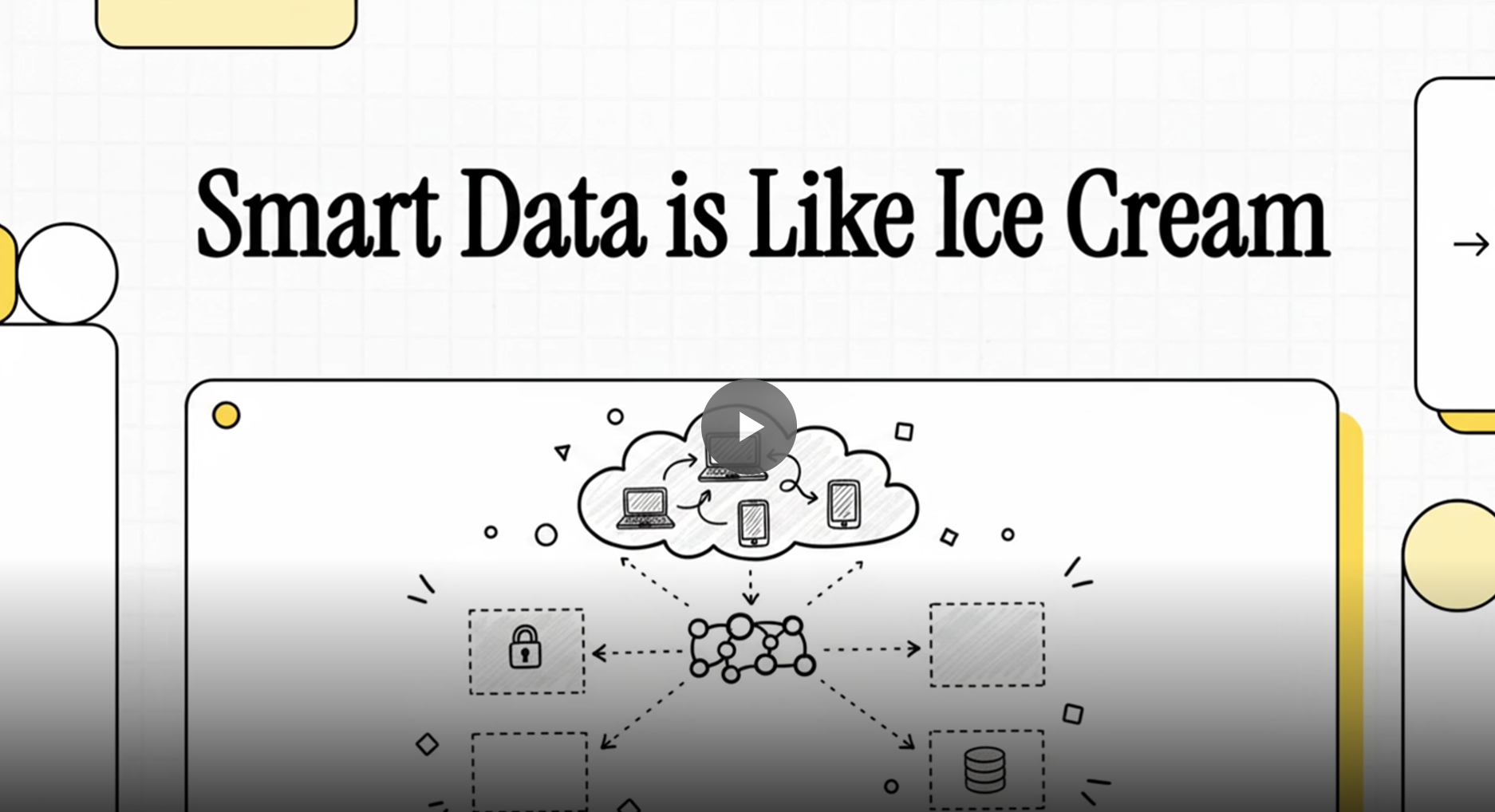
Smart Data Should Be Built as a Network — Not a Collection of Schemes
Are we about to build twenty smart data schemes… when what we really need is one smart data network?
Twenty ways to fragment the same underlying problem.
What’s needed is not twenty schemes.
It’s a single, interoperable smart data network that can support all of them—and many more.
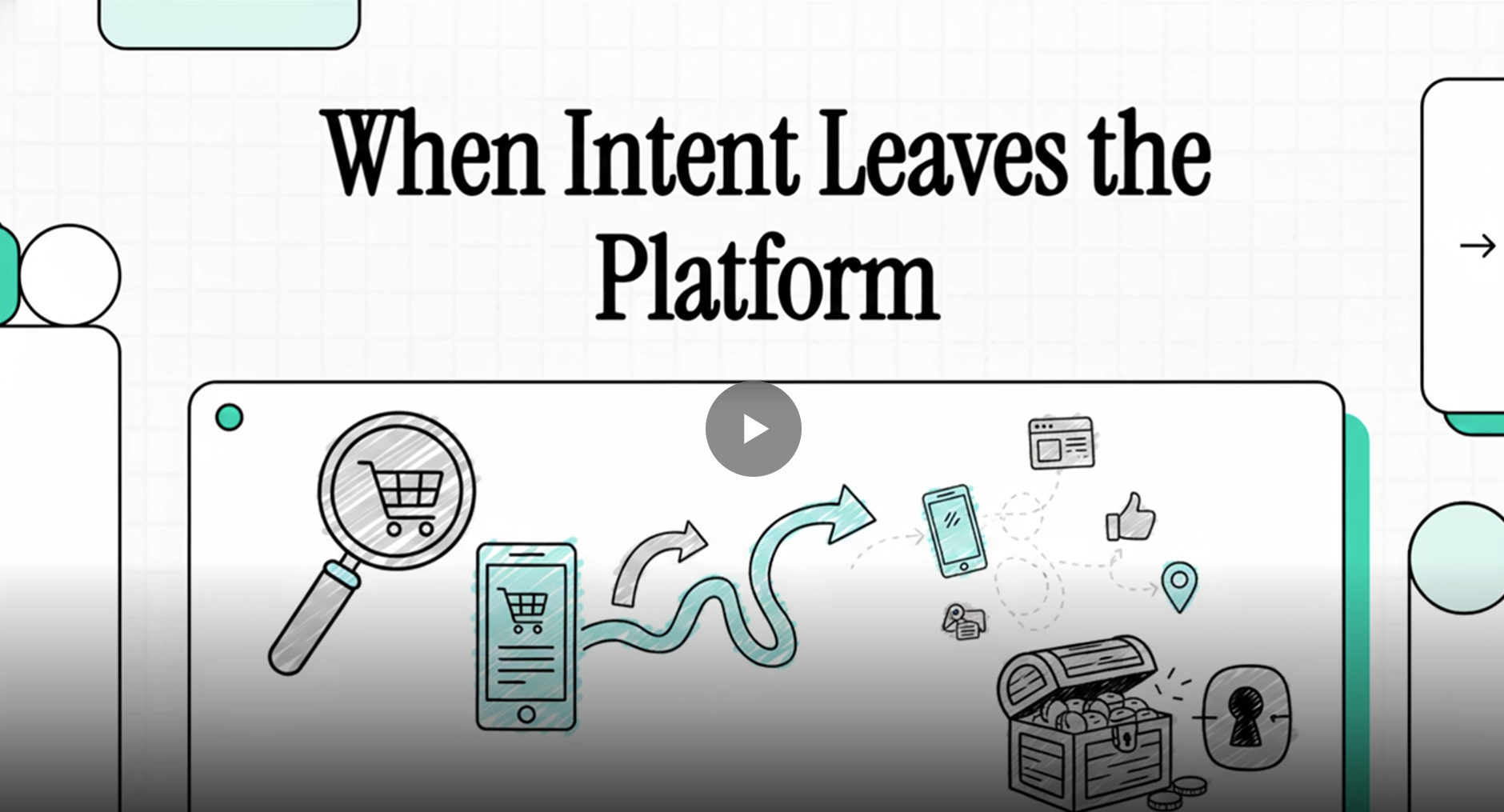
Retail Media’s Next Frontier: When Intent Leaves the Platform
Retail media has become one of the defining growth engines of modern marketing. What began as an extension of shopper marketing—sponsored listings, on-site placements, and closed-loop attribution—has evolved into a sophisticated ecosystem powered by first-party data (1PD), AI, and increasingly advanced measurement frameworks.
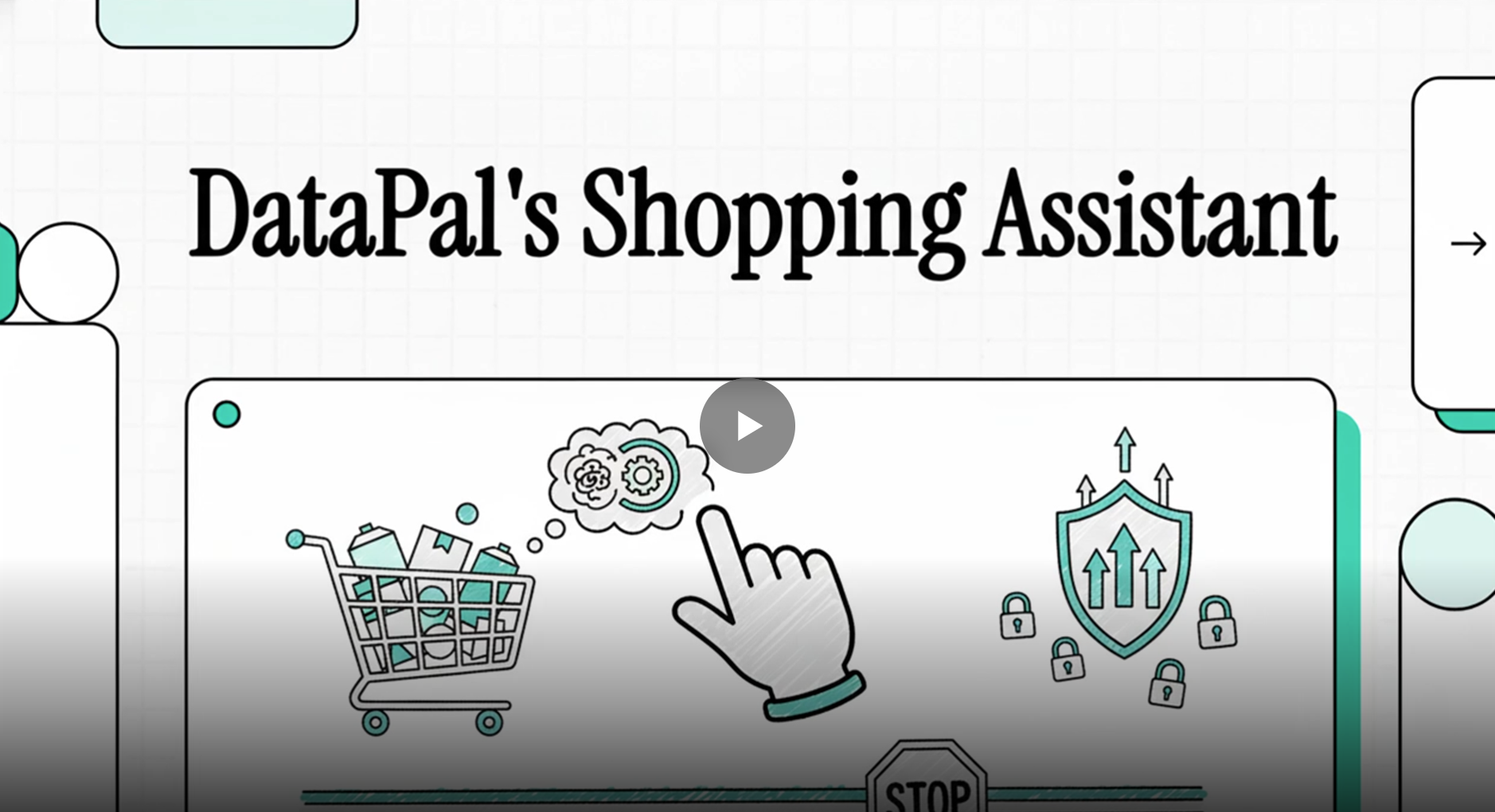
Two Modes, One Vision: How DataPal's Shopping Assistant Puts You in Control
Customer Agency in Action isn’t a better chatbot. It’s not a smarter recommendation engine. It’s something more fundamental: Customers with their own agents, operating on their own data, fulfilling their own intentions. Two modes. One principle: You are in control. Not the retailer. Not the platform. Not the algorithm.

Client–Server Is Ending. Server–Server Is Next.
Whoever controls the server controls the context. And whoever controls the context controls the outcome. For nearly forty years, the dominant architecture of the digital world has been client–server. It powered the web. It enabled ecommerce. It scaled cloud computing. And it quietly shaped the power structure of the internet. Now it’s time for Agent-Agent.
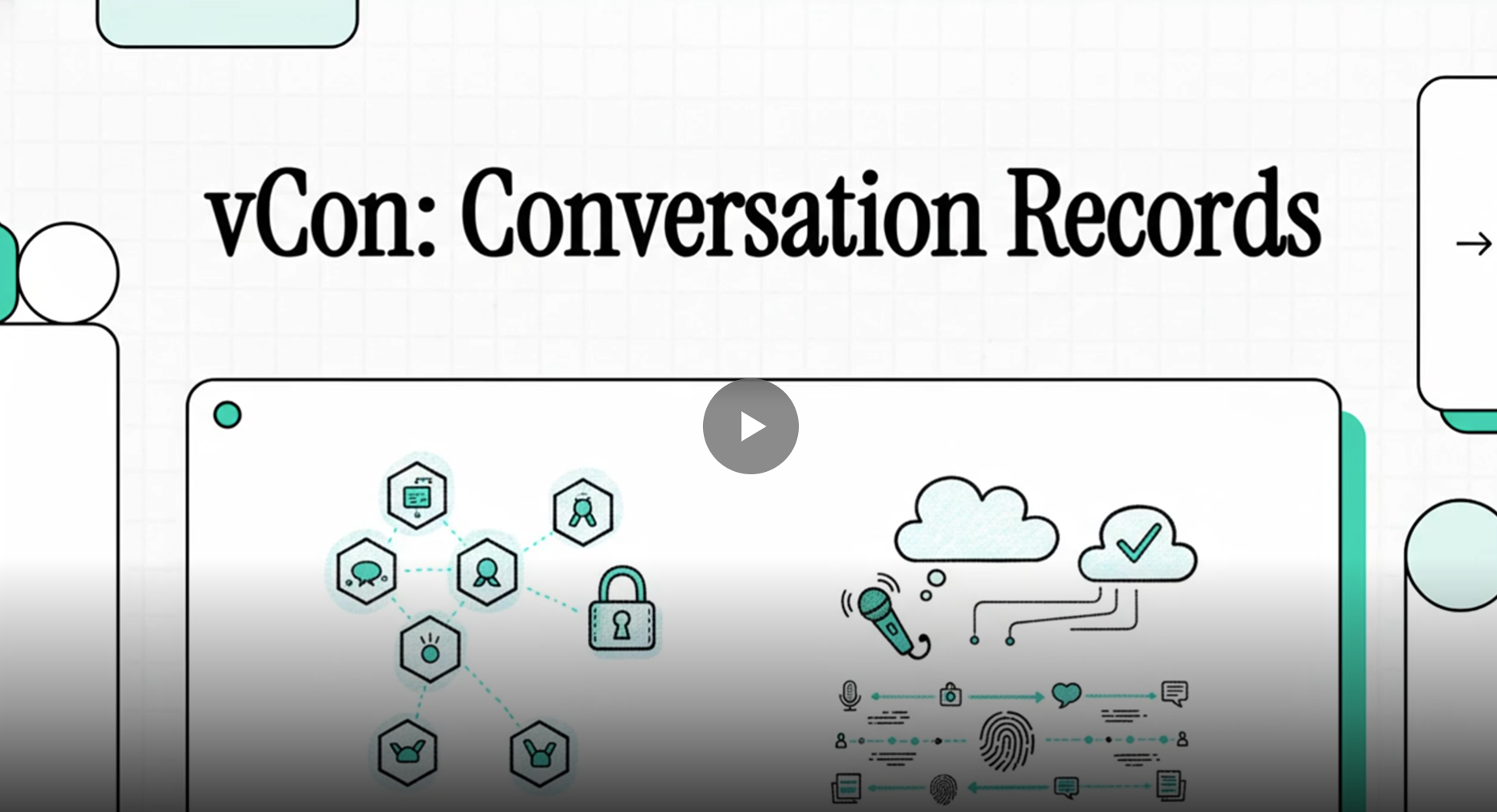
This call will be recorded..(for both of us)
A new technical standard, known as vCon (Virtual Conversation), is being developed within the Internet Engineering Task Force (IETF). vCon defines a structured, privacy-aware format for capturing, storing, exchanging, and analysing conversational data.
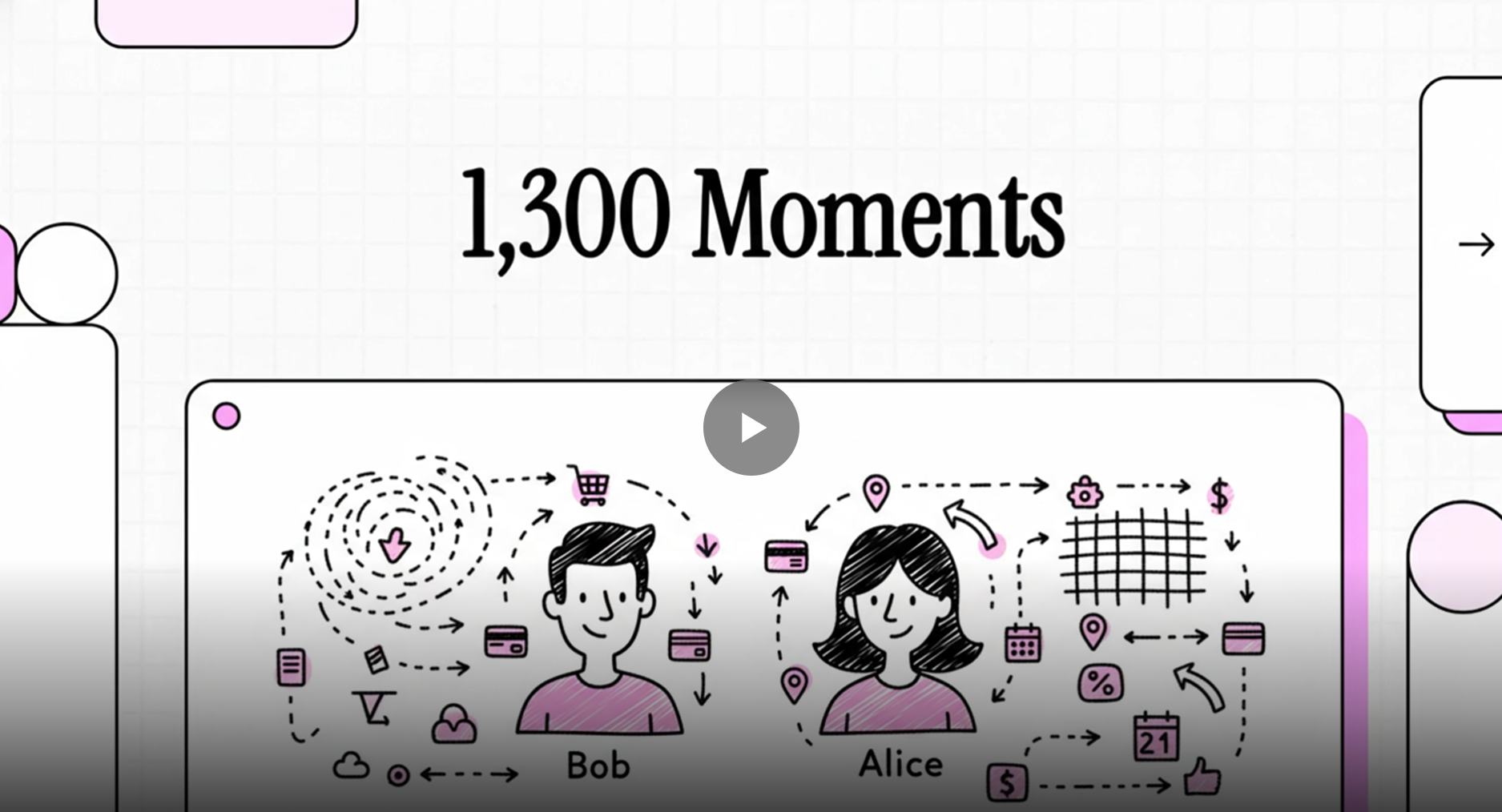
1300 Moments!
Our data shapes thousands of buying decisions every year — yet today, it mostly works against you. With AI, fiduciary agents, and MyTerms, individuals can finally put their data to work on their own terms. This article explores why that shift will redefine marketing, trust, and digital power.
Imagine that Customers Had Their Own Relationship Management Tools
…In fact any relationship that has a digital component benefits from both parties having their own relationship management capabilities. As peers. Not the current model in which one party has the tooling and the power, and the other can only do as they are allowed. That’s clearly where we are headed with DataPal.
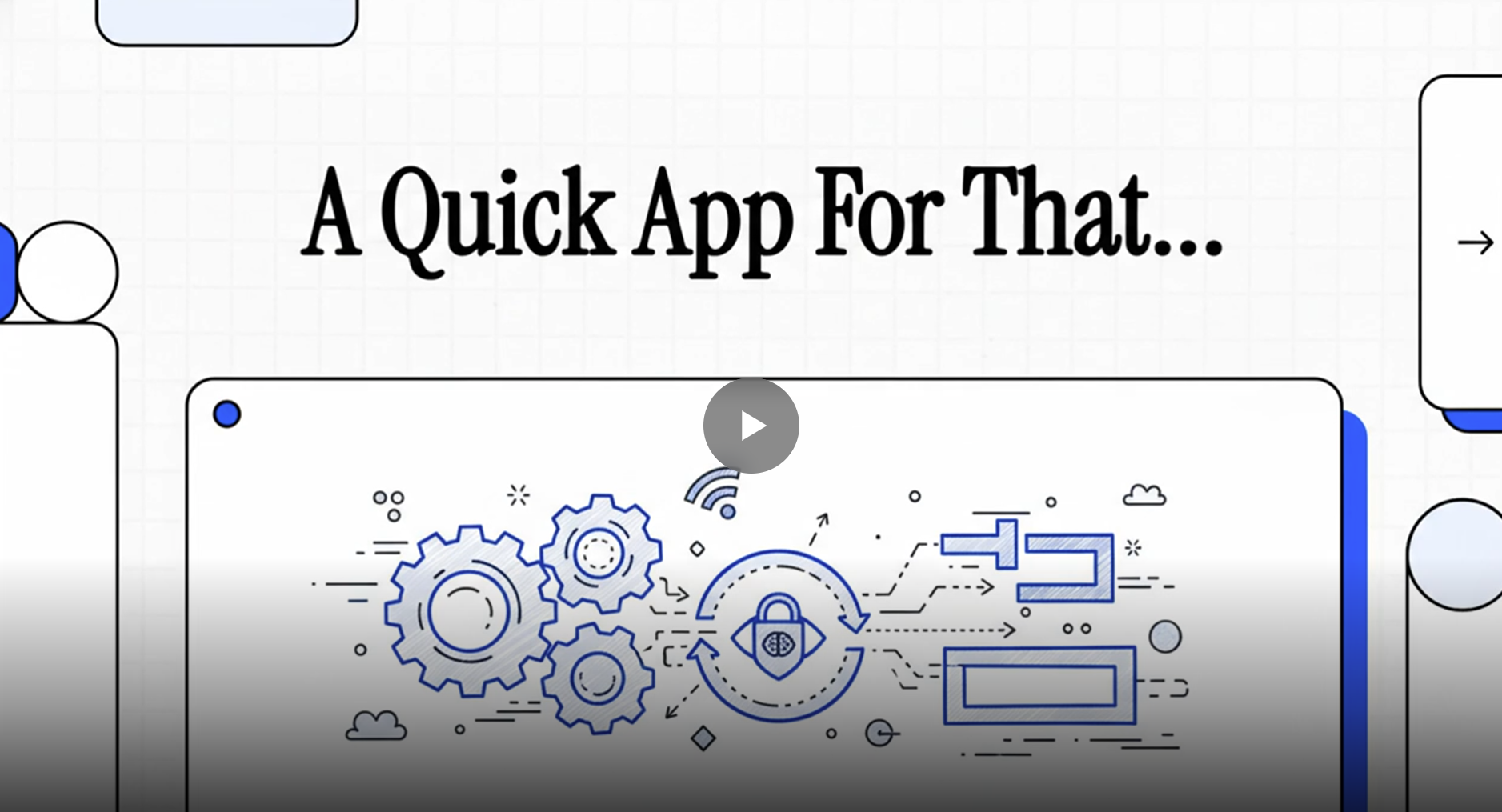
We can build a quick App for that!
Building apps is easy. Right? We can build a quick app for that! However managing user data safely is not. Poor data handling creates security, privacy and governance risks that slow teams down and erode trust. New standards and personal data platforms now allow developers to plug in secure, consent-driven user data services — accelerating development, improving UX, and putting individuals firmly in control of their data.
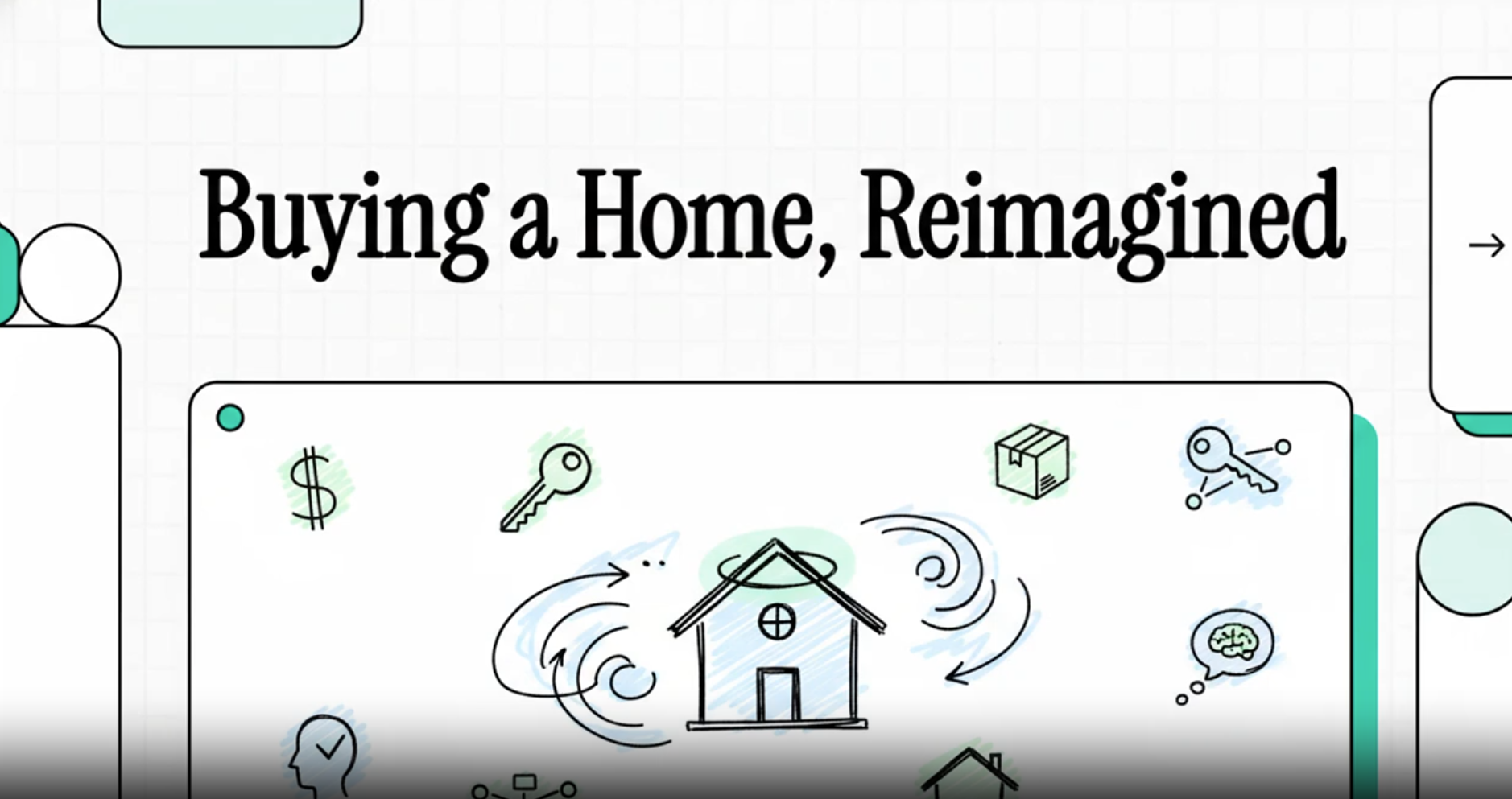
Buying and Selling Homes – a DataPal Use Case
Buying and Selling Homes – a DataPal Use Case! We wanted to explore how a new approach to the provision and flow of information, using the DataPal principles and platform, can addresses the challenges which characterise a very frustrating and opaque process for many stakeholders.